


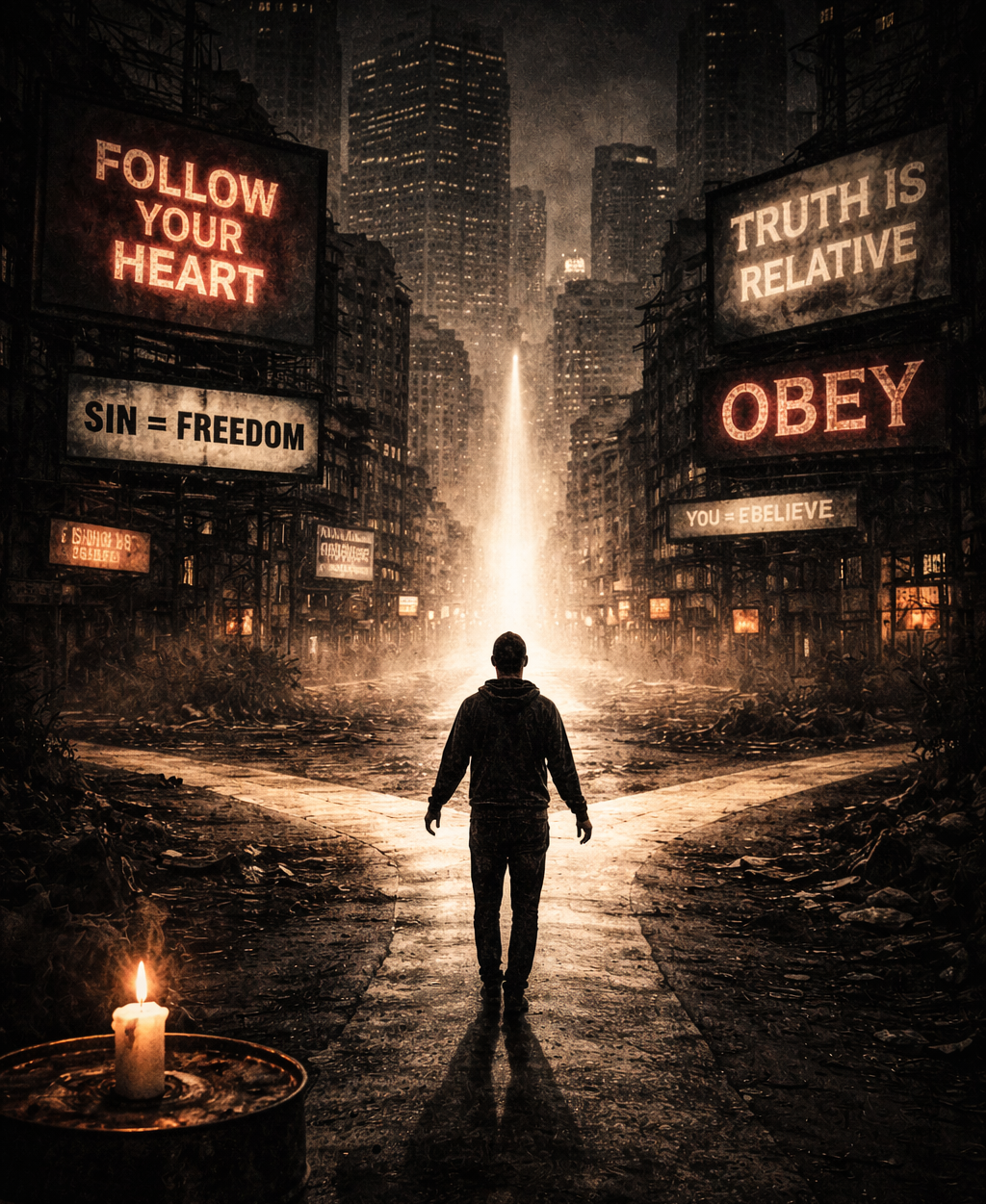
Across the Bible and throughout history, demons have worked behind the scenes to influence the hearts and minds of people, shaping cultures and societies in ways that oppose the truth of God. The Bible never portrays demons as myth or metaphor. They are real, personal, and intentional spiritual beings working under Satan’s command to deceive, divide, and destroy. Their mission has always been to distort what God made good.
The Bible teaches that demons are fallen angels, created beings who once served God but rebelled against Him. While Scripture never uses the term “fallen angels” directly, the concept is there. Isaiah 14 speaks of the fall of a proud being many identify as Satan, and Genesis 6 alludes to spiritual beings crossing boundaries that God set. These beings didn’t just fall, they now seek to bring others down with them. Their influence is personal, but also collective. They work to twist thoughts, stir rebellion, introduce false worship, and embed evil into the structures and norms of culture itself.
In Ephesians 6:12, the Apostle Paul reminds us that our struggle is not merely with flesh and blood, but with rulers and authorities, with the powers of this dark world and the spiritual forces of evil in the heavenly realms. That tells us this battle isn’t only about individuals, it’s about institutions, ideologies, and worldviews that shape society. Demonic influence isn’t always dramatic. Often, it’s subtle, woven into entertainment, education, media, and even religion, pulling people further from the knowledge of God.
One of the earliest examples of this influence is found in Genesis 6:1–4, where the “sons of God” took human wives, resulting in the birth of the Nephilim. While interpretations differ, many believe these “sons of God” were rebellious spiritual beings who crossed boundaries God established. Their union with human women introduced corruption not just biologically, but spiritually and culturally. The result was widespread violence, pride, and depravity so deep that God brought the flood in judgment. This event shows that when spiritual rebellion enters human society, the effects can be devastating. It sets a pattern that demonstrates when people open doors to spiritual darkness, cultures fall into confusion, chaos abounds, and destruction is inevitable.
Though the Bible doesn’t detail what these fallen beings taught, later Jewish traditions, like those found in 1 Enoch describe them sharing forbidden knowledge, including sorcery, astrology, and weapon-making. While these writings aren’t Scripture, they reflect how early Jewish communities understood the spiritual corruption that can seep into human advancement and innovation. And even if we set those writings aside, we can see in the Bible how demonic influence attaches itself to human pride, violence, and idolatry.
That’s why God’s law is so clear on the dangers of spiritual deception. In Deuteronomy 18, God warns His people not to practice witchcraft, seek out mediums, or attempt to communicate with the dead. These aren’t harmless curiosities. They are entry points for spiritual darkness. God knew that when His people dabbled in these things, they would slowly turn their hearts away from Him. What begins as curiosity often ends in bondage.
Israel’s prophets saw this play out firsthand. Isaiah, Jeremiah, Ezekiel, and others exposed how deeply embedded demonic distortion had become in Israel’s worship and society. Idolatry wasn’t just about wooden statues; it was about spiritual seduction. Behind every idol stood a demonic force drawing hearts away from God. That’s why Paul later says in 1 Corinthians 10:20, “What pagans sacrifice, they offer to demons and not to God.” Spiritual adultery always leads to cultural corruption. And once a nation’s worship is compromised, everything else soon follows.
In the New Testament, we see this even more clearly. Jesus didn’t just come to save souls; He came to set captives free. Everywhere He went, He confronted demons. Not just in individuals, but in the systems that kept people bound. In Mark 5, He delivers a man possessed by a legion of demons. That man had been isolated, tormented, and feared by his community. But after Jesus sets him free, he becomes a witness to God’s power. That healing didn’t just change a person, it restored dignity, broke fear, and disrupted a whole region’s understanding of what evil looked like.
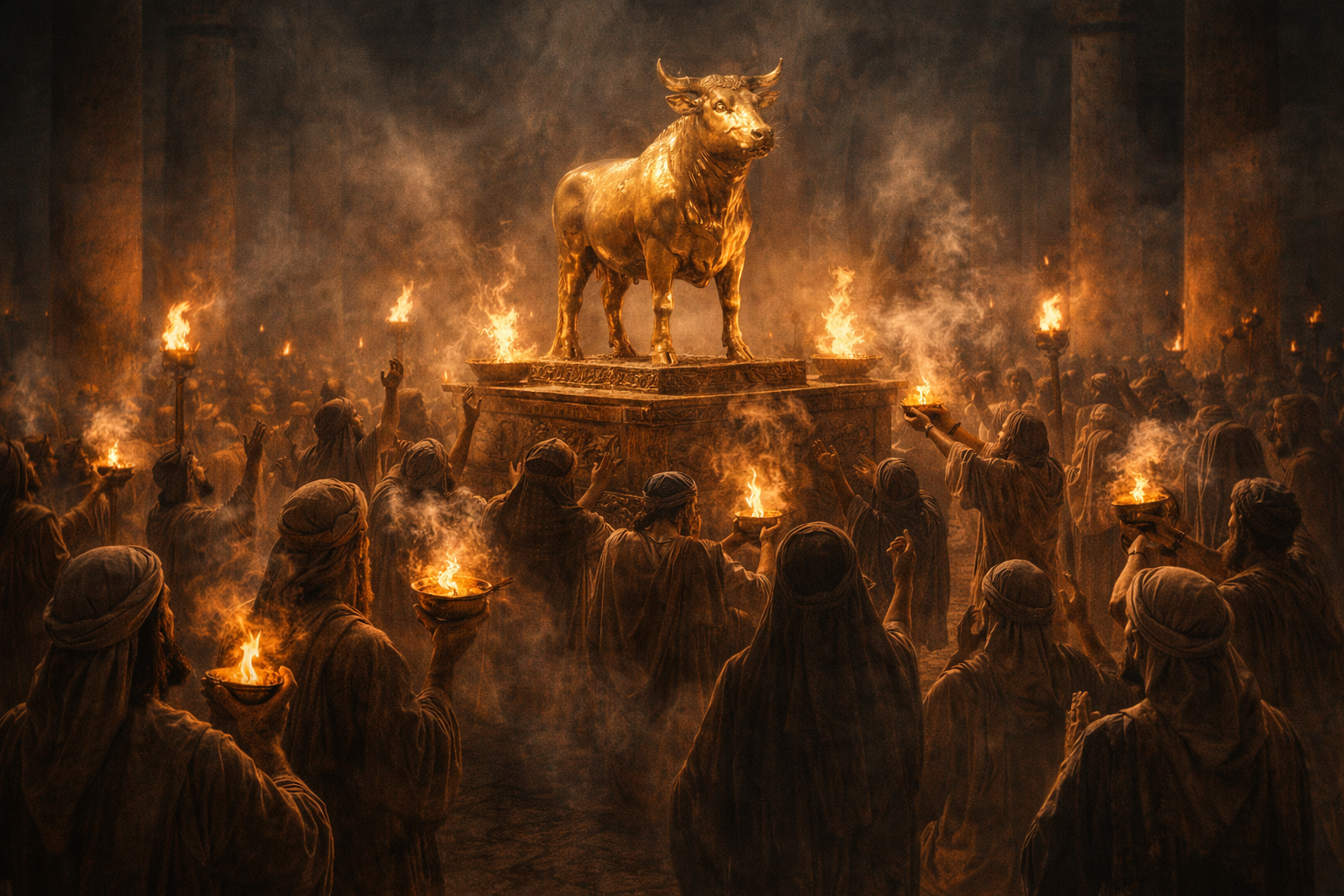
In the early church, the apostles dealt with the demonic influence in society as well. Cities like Ephesus were saturated with magic, idolatry, and occult practices. Acts 19 tells the story of new believers burning their magic books after coming to Christ publicly renouncing the demonic systems they once trusted. That wasn’t just personal repentance it was a cultural confrontation. The gospel doesn’t politely coexist with demonic systems. It tears them down and replaces them with truth.
And just like in the first century, demons still work today through cultural narratives and belief systems. Whether through false religions, political ideologies, or distorted views of identity, sexuality, and power, demons are behind many of the lies that grip our world. They whisper that truth is relative, that sin is freedom, that God’s Word is outdated, and that worship of self is the highest good. These aren’t just bad ideas. They’re spiritual strategies meant to lead entire generations away from God.
Even in modern times, some Christian communities struggle to discern where spiritual warfare ends and psychology begins. It’s true that not every mental or emotional struggle is demonic. We are complex beings with emotional, physical, and spiritual needs. But it’s also true that spiritual oppression can manifest through confusion, fear, addiction, or isolation. We need both biblical discernment and compassion. Ignoring the spiritual can leave people bound. But blaming everything on demons can keep them from getting the help they need.
The idea that fallen angels passed forbidden knowledge to humans isn’t spelled out in the Bible, but the results of demonic influence are clear. In Exodus 7, Pharaoh’s magicians mimic the miracles of God through occult power. Throughout Scripture, sorcery and divination are condemned. These aren’t neutral practices—they are tools the enemy uses to draw people away from faith and into bondage.
Paul tells us in Ephesians that demons operate in “the heavenly realms” meaning their influence touches high places: governments, cultural institutions, media, and even religious structures. They don’t just tempt individuals. They build systems that normalize rebellion against God. That’s why spiritual warfare is about more than prayer, it’s about standing in truth, resisting lies, and shining light into dark places.
Even our entertainment and storytelling reflect this. Books, movies, and media often romanticize darkness, normalizing witchcraft, glorifying demons, or blurring moral lines. While not every story is demonic, we should ask: How is this shaping my perspective? What is this normalizing in my community? Demonic influence rarely starts loud, it often begins with us not realizing it.
As followers of Christ, we must build a strong foundation rooted in the Word of God. We can’t afford to be naive. Demons don’t need to possess people to influence them. They work through deception, pride, fear, and distraction. And when those patterns become normalized in culture, the influence becomes harder to detect.
We need a balanced approach. Many Christians ignore the demonic entirely, chalking everything up to psychology or politics. Others see demons behind every headache and flat tire. Both extremes are dangerous. The truth is demons are real but so is the authority we have in Christ. Jesus has already defeated them. We don’t fight for victory; we fight from it.
Deliverance ministries have reminded the modern church that spiritual bondage is real, and that freedom is available through the power of Jesus. But we must also remember that true deliverance doesn’t end with casting out demons, it continues in discipleship, truth, repentance, and the renewing of the mind daily (Romans 12:2).
Demons influence culture by shaping lies that become normalized in society. Whether through idolatry, entertainment, politics, or education, they push agendas that oppose God’s kingdom. But we are not without tools. Scripture gives us armor, truth, righteousness, the gospel of peace, faith, salvation, the Word of God, and prayer (Ephesians 6:10–18). These aren’t just spiritual concepts they are weapons. When we walk in truth and love, when we resist the devil and draw near to God (James 4:7–8), we push back the darkness.
History shows us that cultures that deny spiritual evil often fall into moral confusion. But cultures obsessed with it can fall into fear and bondage. What we need is clarity. A biblical worldview that acknowledges the spiritual realm, discerns the enemy’s schemes, and clings tightly to Jesus.
In the end, we don’t need to fear demons, but we do need to recognize them. We don’t need to obsess over their influence, but we must not ignore it either. The gospel is more powerful than any lie. Jesus is Lord over every culture, every society, and every spiritual realm. As His people, we are called to walk in light, speak truth, and help others find freedom.
Demons are real. Their influence is subtle but significant. But greater is He who is in us than he who is in the world (1 John 4:4). Let us be alert, be equipped, and be rooted in Christ so we can stand firm in a world that desperately needs light in the midst of so much spiritual confusion.