

Across the United States and increasingly across the world a strange and contradictory shift is taking place. People talk constantly about unity, tolerance, and empathy. They lament polarization, express exhaustion over politics, and insist that society needs to “come together.” But beneath this rhetoric lies a very different reality: tribalism is rising, belief is fracturing, and identity is becoming more rigidly defined than at any point in recent memory.
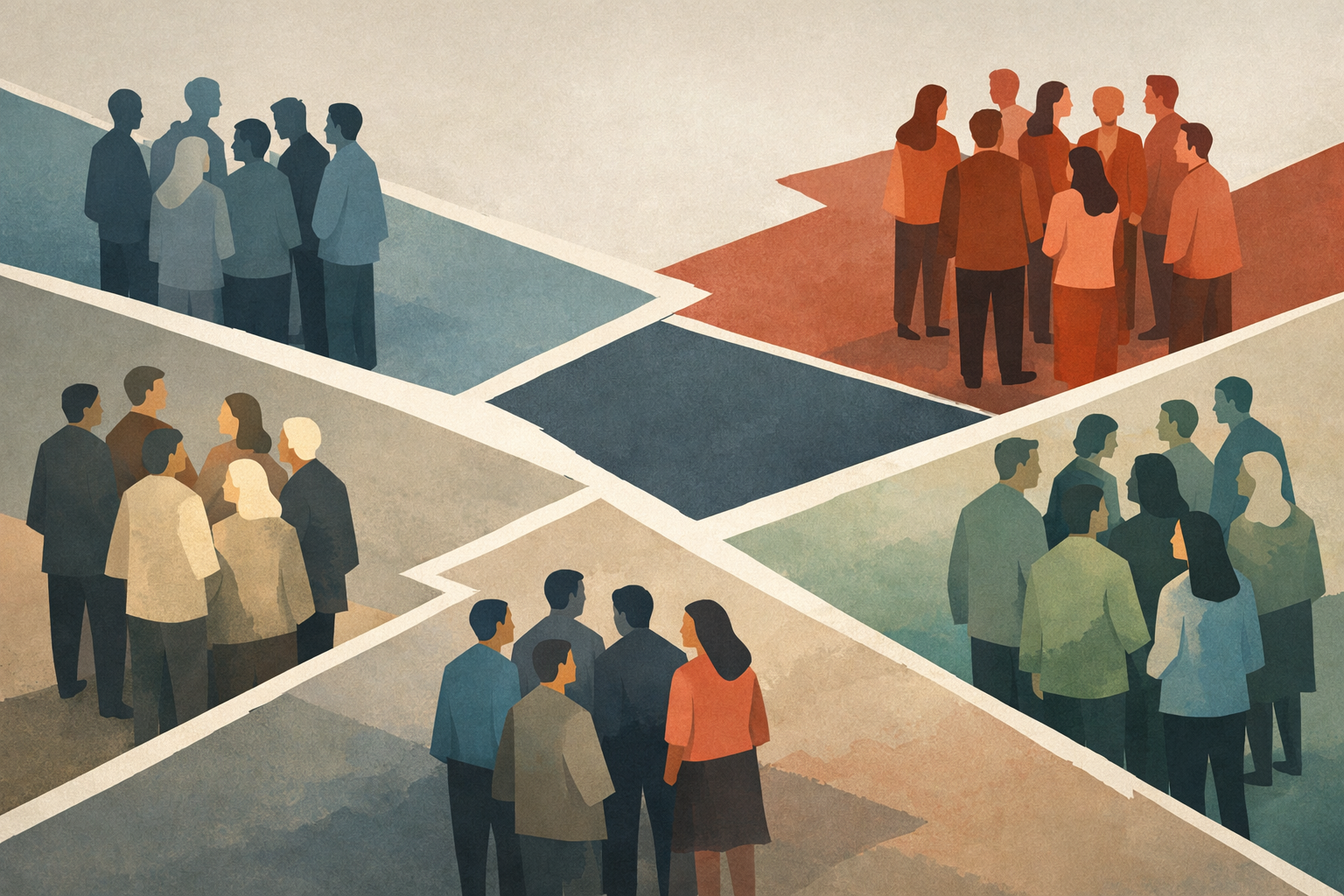
Sociologists describe it as the “tribal paradox” a cultural phenomenon in which people publicly champion unity while privately clinging more fiercely to their chosen groups. In this paradox, the longing for solidarity coexists with a deeper instinct toward separation. People desire connection yet retreat into factions. They crave belonging, yet divide themselves into ideological enclaves that feel safer, familiar, and predictable.
The result is not just political polarization, but a reordering of belief itself. Faith, morality, and meaning are increasingly filtered through tribal identity rather than universal truth. And in this shift, society is slowly trading shared reality for competing narratives.
The tribal paradox is not new. Human beings have always formed groups—families, clans, nations, religious communities. But what is new is the intensity with which modern tribalism is gripping people who claim to value openness. What’s new is the speed with which social media hardens opinions, amplifies emotions, and rewards outrage. What’s new is the way tribal identity now shapes everything from how people interpret news to how they view God.
In today’s America, the tribe comes first before facts, before relationships, even before faith.
Psychologists say tribalism appeals to the oldest instincts in the human brain. When threats feel overwhelming whether cultural, political, economic, or existential, the mind seeks safety in groups. Those groups become a psychological shelter. We bond tightly with people who agree with us because disagreement feels dangerous, even threatening.
But in a hyperconnected world, the threats never stop coming. Every notification feels urgent. Every headline feels personal. Every disagreement feels existential. The neural pathways that once protected us from predators now react to politics with the same intensity as survival.
This creates a dangerous feedback loop where the more fearful or overwhelmed we feel, the more we cling to our tribe. The more we cling to our tribe, the more hostile we become to outsiders. And the more hostile we become, the more polarized society becomes.
The tribal instinct isn’t simply about belonging, it’s about identity. For millions, identity is no longer grounded in family, faith, or community. It is grounded in the tribe whose beliefs mirror our own. The tribe becomes the container of meaning. The tribe defines what is acceptable. And once the tribe becomes the source of truth, anything outside the tribe begins to feel like a threat.
Behind all of this is a deeper psychological phenomenon called confirmation identity which is the belief that our worth is tied to being right or at least being aligned with the “right people.” The tribe becomes a mirror we check to confirm we are good, moral, enlightened, or justified.
This is why tribalism is not merely political or social. It is emotional. It is moral. It is spiritual.
Religion has not escaped this dynamic. Biblical traditions that once united believers across differences are now splintering into micro-tribes where each sec is confident that their interpretation, their emphasis, or their social vision is the purest expression of truth. Denominations fracture. Churches divide. Online communities form around personalities rather than theology. The tribe becomes the lens through which faith is interpreted.
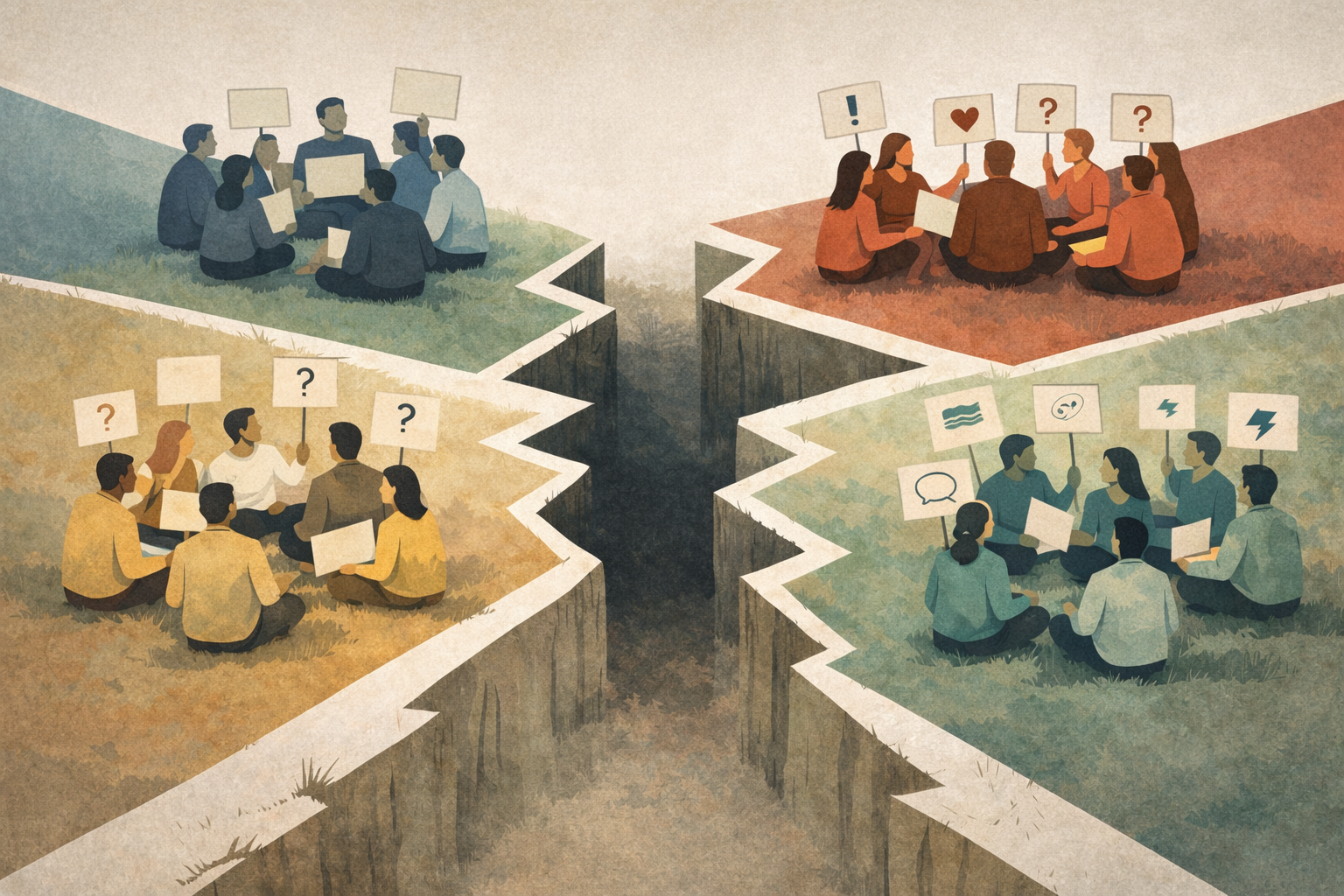
This isn’t limited to Christians. Across the religious spectrum, tribal fragmentation is reshaping how people understand God, morality, and meaning. Faith becomes flexible to the tribe’s preferences rather than the other way around.
Theologians call this “identity capture”, the moment when belief becomes less about transcendent truth and more about tribal alignment. Instead of asking, “What does God say?” people ask, “What does my group say?” The shift is subtle but profound. Faith becomes a badge, a cultural marker, a signal to others about which side you stand on.
The paradox is defined by which people say they believe in unity, but they also believe their tribe embodies the ideal version of it. In other words, unity means “come to my side.” Tolerance means “affirm what I affirm.” Open-mindedness means “agree with my values.”
This isn’t unity. It’s tribalism wearing the mask of virtue.
Leaders in sociology warn that tribalism is not merely about group belonging, it is about the erosion of shared truth. When every tribe insists on its own facts, its own interpretation of events, its own moral framework, the social fabric begins to unravel. People no longer disagree about ideas; they disagree about reality.
In such a fractured world, news is no longer news; it becomes fuel for tribal confirmation. Every story is interpreted through the lens of “us versus them.” Every tragedy becomes a political argument. Every moral dilemma becomes a culture-war battle.
And perhaps most dangerously, the human capacity for empathy shrinks. It becomes easier to care about members of our tribe than about outsiders. Compassion becomes selective. Justice becomes partisan. Morality becomes conditional.
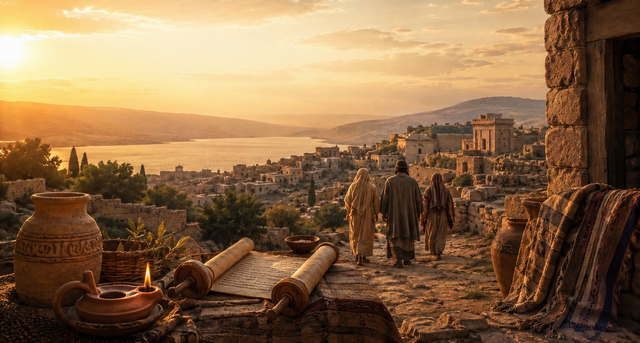
The story of the Good Samaritan is one of the Bible’s clearest rebuttals to tribalism. It exposes how religious and social identity can blind people to compassion. Jesus wasn’t condemning belief; He was condemning the way belief becomes corrupted by identity. Tribalism always says, “love your own.” Jesus said, “love your neighbor” and then defined neighbor in the least tribal way possible.
Modern tribalism is also fueled by loneliness. Researchers at Harvard note that Gen Z is the most digitally connected generation in history, yet also the most isolated. Loneliness creates hunger for belonging. Belonging creates vulnerability to tribalism. The tribe promises what community used to provide, identity, protection, friendship, and purpose.
But tribes built on outrage cannot provide lasting belonging. They create a cycle of bonding through shared anger, not shared love. Friendships formed around hostility unravel when the hostility shifts. Relationships built on ideology collapse when ideology changes.
What’s left is not unity but exhaustion and a society increasingly defined by fear.
There is a spiritual cost to all of this. Tribalism reshapes the soul. It shrinks the imagination. It narrows the horizon of love. It makes humility feel like betrayal and empathy feel like compromise. It replaces the Great Commandment with the Great Division.
And yet, the human desire for tribe is not inherently evil. It comes from a God-given desire for belonging. Scripture affirms community, identity, connection, and covenant. The early church functioned like a tribe sharing possessions, caring for one another, living as a unified body. The difference is that their unity was not based on sameness or superiority. It was based on the Spirit.
Modern tribalism promises belonging, but it cannot provide unity. It promises meaning, but it cannot provide truth. It promises identity, but it cannot provide transformation.
There is another paradox in tribalism, one that exposes a longing for something deeper. People aren’t joining tribes because they want to fight, they’re joining because they want to be seen. They want to feel understood. They want to know they matter. And in many cases, they are turning to tribes because they cannot find genuine belonging elsewhere.
Families are fractured. Churches feel distant. Communities feel temporary. Institutions feel untrustworthy. People latch onto tribes because the alternatives feel weak or missing.
This is an opportunity for the Church, not to become another tribe, but to offer something tribalism cannot, a community rooted not in sameness, but in sacrificial love. Not in identity warfare, but in shared humanity and not in ideological victory, but in the grace that transcends human divisions.
The early Christians lived in a tribal world too. Rome was divided by class, ethnicity, religion, and politics. Yet the church spread not through dominance but through difference. It offered belonging without hostility, identity without exclusion, truth without arrogance.
The paradox of modern tribalism is that while it fractures society, it also reveals hunger for a form of community that only the gospel can sustain.
The Church cannot compete with the tribes.
It should transcend them.
The paradox remains. People want unity but cling to division. They want peace but choose alignment. They want truth but prefer confirmation. They want belonging but fear vulnerability.
But beneath that paradox lies a deeper truth, people are searching, not for tribes, but for home.