

Federal officials are warning that New World screwworm has been detected in northern Mexico, roughly 62 miles from the Texas border, making it the northernmost active case in Mexico. The U.S. Department of Agriculture says the current risk inside the United States remains very low, and there is no evidence of New World screwworm in U.S. animals right now.
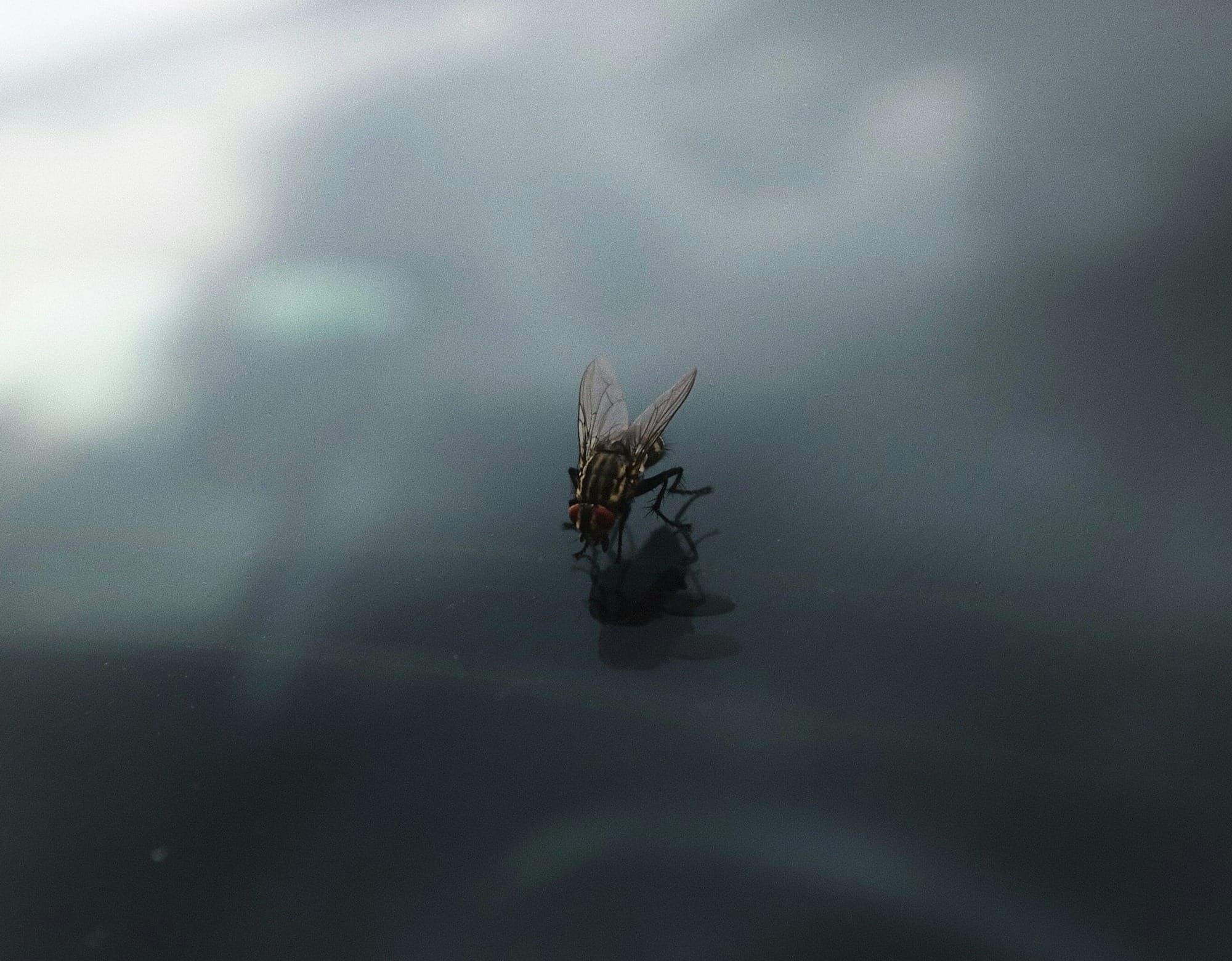
The parasite is not a worm in the ordinary sense, but the larval stage of a fly known as Cochliomyia hominivorax. According to the CDC’s overview, adult flies lay eggs in open wounds or body openings such as the eyes, ears, nose, mouth, or genitals. When the eggs hatch, the maggots burrow into and feed on living tissue, causing painful, worsening wounds. The CDC says screwworm can infest livestock, pets, wildlife, and—more rarely—people.
That is why the parasite is treated as both a public-health concern and an agricultural threat. The CDC’s outbreak summary says the current outbreak in Central America and Mexico has primarily affected livestock, wildlife, and pets, though human cases have also been reported. ABC News noted that experts say the parasite can be deadly for animals if not caught early, while human cases are unusual and usually less severe, though they can still become serious and require urgent treatment.
One reason officials are taking the latest case seriously is that screwworm was eradicated from the United States in 1966 and eliminated from a smaller outbreak in the Florida Keys in 2017 using the sterile insect technique, according to the USDA. That method works by releasing sterile male flies so females produce no viable offspring. ABC News reported that Agriculture Secretary Brooke Rollins recently visited Texas for the groundbreaking of a large sterile-fly facility meant to strengthen the U.S. response if the parasite moves closer.
For now, the practical guidance is straightforward. The CDC advises people traveling in affected areas to keep wounds covered, watch for wounds that worsen or smell foul, and seek medical attention immediately if they see or feel maggots. The USDA similarly urges animal owners to check livestock and pets for wounds and report suspicious cases quickly. The case near the border does not mean the parasite is in the United States, but it does mean officials are watching closely—and so should ranchers, veterinarians, and anyone with animals in high-risk regions.