

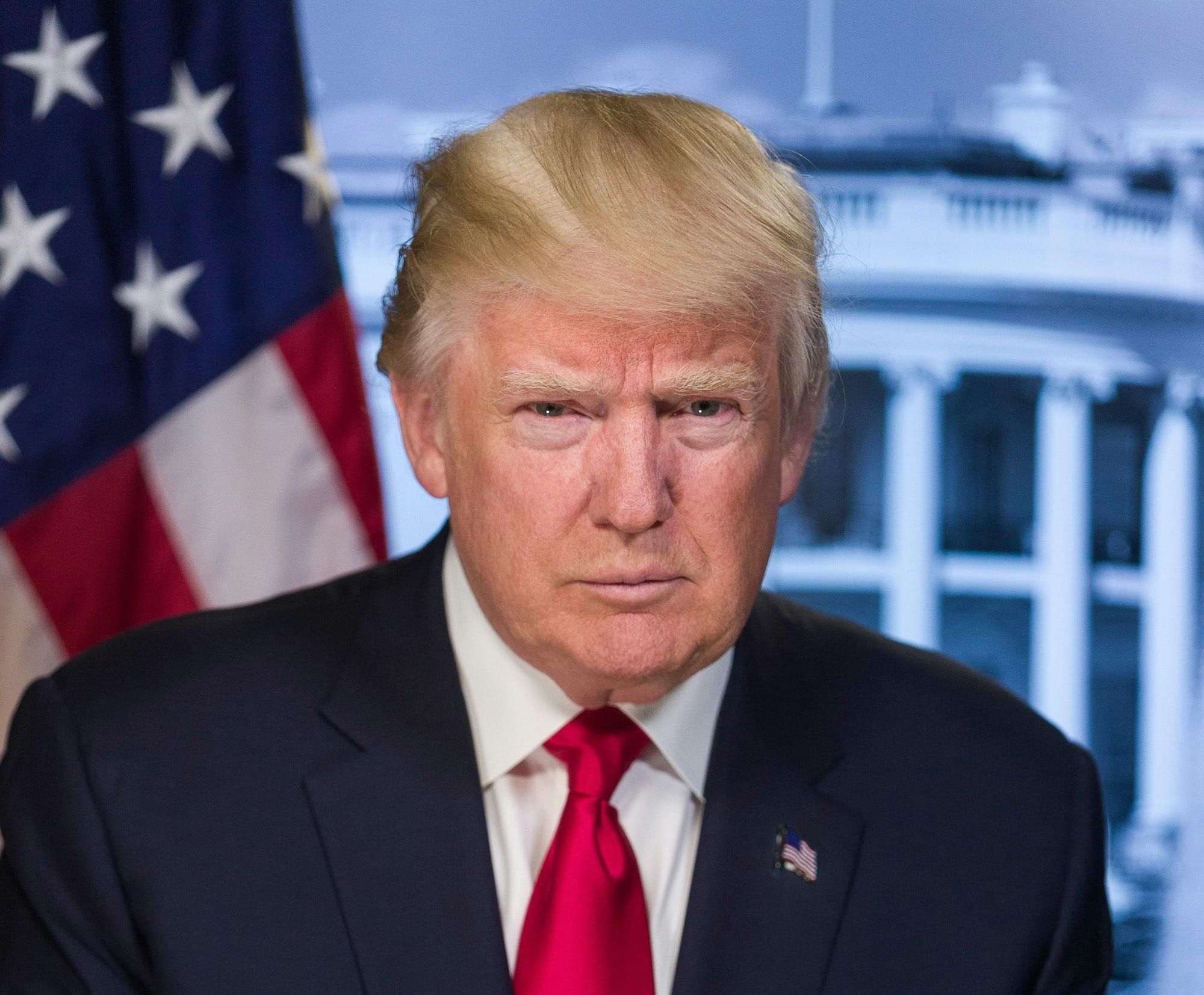
In a wide-ranging interview with The New York Times, President Donald Trump was asked a deceptively simple question: are there any limits to his global power?
His answer was not a reference to treaties, Congress, courts, or alliances. It was personal. “My own morality,” he said adding that he doesn’t “need international law,” though he also conceded his administration does need to adhere to it, before qualifying that “it depends what your definition of international law is.”
The remark has ricocheted because it compresses a worldview into a single, unsettling proposition. The primary restraint on American power, in this framing, is not a shared legal order but the character and discretion of the person wielding it.
That is not merely rhetorical. In the same window of time, Trump’s administration has been associated in public reporting with actions and proposals that place U.S. power in direct tension with international norms and alliance expectations starting with the seizure of Venezuelan leader Nicolás Maduro and his wife in a U.S. operation, renewed talk of acquiring Greenland that includes military options, public doubts about NATO’s reliability, and a directive to withdraw the United States from dozens of international organizations.
So what does it mean when a president suggests that personal morality—rather than law—stands as the ultimate check? And what could it mean for America, its alliances, and a global order that has long depended on the idea that even superpowers are bound by rules?
The American system is designed around skepticism of concentrated authority. Domestically, restraint is supposed to come from separation of powers, judicial review, elections, and layered accountability. Internationally, restraint is more fragile, held together through treaties, alliances, customary norms, and reputational costs.
Trump’s phrasing flips that logic. If “my own morality” is the limiting factor, then the main guardrail becomes internal private and non-auditable rather than external and enforceable.
In practice, that changes how allies, adversaries, and citizens interpret U.S. commitments. Laws and treaties function partly because they reduce uncertainty. When the “limit” is personality, uncertainty rises.
That matters even if nothing “illegal” happens because foreign policy is not only about what a country can do. It’s about what other countries expect it will do.
Why international law still matters even when it’s hard to enforce
International law is often misunderstood as a global police force. It isn’t. It’s closer to a shared operating system—one that works imperfectly, often selectively, and sometimes hypocritically, but still shapes behavior by setting expectations and raising costs for violations.
When powerful states treat international law as optional, three consequences follow.
First, other states learn from the example. If the U.S. argues that its actions are limited mainly by its own moral judgment, other powers can adopt the same posture—especially those eager to revise borders or control neighbors. That’s not a theoretical concern; it’s the logic of precedent.
Second, alliances become more transactional. Allies don’t just want capability, they want predictability. When promises start to sound negotiable, smaller countries begin to protect themselves by diversifying their defenses, their trade ties, and their diplomatic bets.
Third, crises become harder to de-escalate. Rules provide order before a standoff turns into a collision. When conflicts are decided mostly by force of will, prestige, or raw power, the chances of a costly misread rise fast.
The United States has historically benefited from a rules-based order not because it always constrained America, but because it often constrained everyone else.
A measured takeaway
This isn’t primarily a story about one quote. It’s a story about what kind of world is being imagined.
A rules-based order—however imperfect—assumes power should be accountable to something beyond itself. A personality-based order assumes the world will be safer if the most powerful actor simply means well.
History is unkind to that assumption.
Whether Trump’s posture produces restraint or volatility will depend not only on his intentions but on how institutions, allies, and adversaries respond. In moments like this, the greatest risk is not that everyone breaks the rules overnight. It’s that enough people stop believing the rules matter at all.