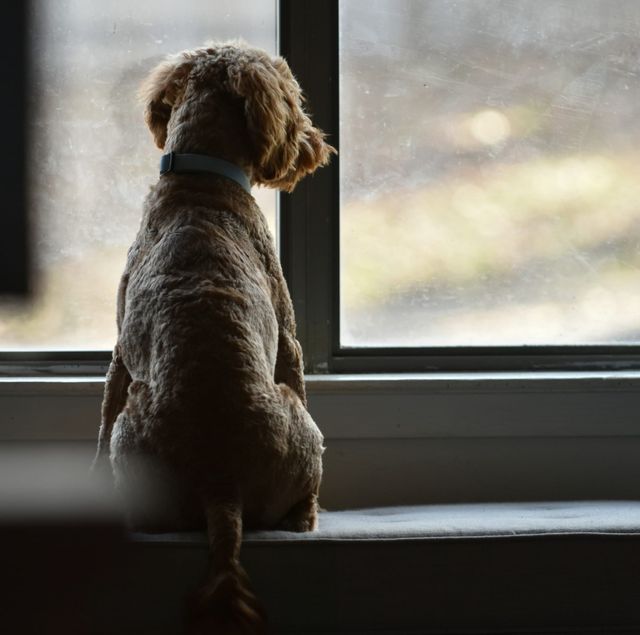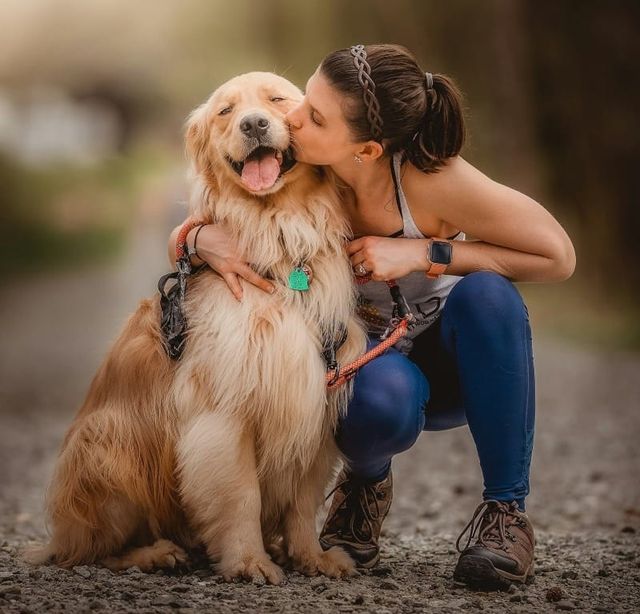


As record heat pushes deeper into ordinary life, caring for animals has become more than a seasonal chore. It is now a matter of vigilance. A summer afternoon can become dangerous quickly for a dog walking on pavement, a cat trapped in a warm room, a rabbit in a sunlit hutch, or a horse standing in a poorly ventilated barn. NOAA reported that March 2026 was the warmest March on record for the contiguous United States, and the agency has also tracked record-breaking heat events tied to heat-dome conditions in the western U.S. this year.
For pet owners, farmers, and families with animals in their care, the question is no longer simply how to make animals comfortable. It is how to keep them alive.
Extreme heat affects animals differently than it affects people. Dogs and cats do not cool themselves as efficiently as humans do. Dogs rely heavily on panting, while cats may seek cooler surfaces, reduce activity, groom themselves, or pant when stressed. Rabbits and rodents can overheat quickly in hutches or enclosures. Horses and livestock may be able to tolerate outdoor life, but prolonged heat, high humidity, poor airflow, and lack of shade can still turn dangerous.
The American Veterinary Medical Association advises pet owners to give animals unlimited access to fresh water and shade during warm weather, limit exercise on hot days, and avoid hot asphalt that can burn sensitive paw pads. The AVMA also warns that parked vehicles can quickly become dangerous for pets, even on days that do not feel extremely hot to people.
That warning deserves to be repeated—never leave an animal alone in a parked car. Cracking the windows is not enough. “Just a few minutes” is not safe. Heat builds fast inside vehicles, and animals can suffer serious illness or death before an owner realizes how quickly the situation changed.
The same caution applies to walks. Many dog owners think about the temperature of the air but forget the temperature of the ground. Pavement, concrete, and asphalt can hold and radiate heat, burning paws and raising a dog’s body temperature because the animal is so close to the ground. Walks should be moved to early morning or late evening, and exercise should be shortened during heat waves. The AVMA specifically recommends timing walks to avoid the hottest part of the day.

Some animals face greater risk than others. The ASPCA warns that flat-faced animals, including pugs, bulldogs, Persian cats, and similar breeds, are especially vulnerable because they cannot pant as effectively. Older animals, overweight pets, and animals with heart or lung disease should be kept as cool as possible, preferably in air-conditioned spaces during extreme heat.
Heatstroke signs can include excessive panting, difficulty breathing, drooling, weakness, vomiting, diarrhea, collapse, seizures, confusion, or a body temperature over 104 degrees. If those signs appear, the safest response is urgent: move the animal to a cooler place, begin gentle cooling with cool—not ice-cold—water or damp towels, offer small amounts of water if the animal is alert, and contact a veterinarian immediately. Pet owners should not assume that an animal is fine simply because it has stopped panting. In severe overheating, quietness can be a sign of collapse, not recovery.
Cats require a slightly different kind of attention because they often hide distress. A cat may retreat under furniture, lie on tile, breathe with its mouth open, or seem unusually lethargic. Indoor cats need access to cool rooms, circulating air, fresh water in multiple locations, and shaded windows. Outdoor cats should have shade, water, and a way to escape the sun entirely. In record heat, bringing them indoors is the safest choice.
Small animals may be even easier to overlook. Rabbits, guinea pigs, hamsters, ferrets, and birds are often kept in cages, hutches, or enclosed areas that can heat up quickly. The RSPCA advises keeping rabbits and rodents out of direct sunlight, moving hutches and runs into shade, avoiding greenhouses and conservatories because they can become dangerously hot, and providing extra water during warm weather.
Rabbits are especially vulnerable. The House Rabbit Society notes that rabbits do not sweat and cool themselves partly through blood flow in their ears. Signs of heat exhaustion can include fast, shallow breathing, wetness around the nose, listlessness, hot ears, or open-mouth breathing. Recommended emergency steps include moving the rabbit to a cool place, keeping it out of the sun, dampening the ears with cool water, offering cold water to drink, and calling an experienced veterinarian.
For horses, heat management must happen at the level of the whole environment. A horse needs constant access to clean water, shade or shelter, and airflow. Workouts should be reduced or moved to the coolest part of the day. Transportation should be planned carefully, since trailers can become hot, poorly ventilated spaces. World Horse Welfare says heatstroke signs in horses can include excessive sweating, heavy rapid breathing, elevated heart and respiratory rate, and behavior changes ranging from dullness to panic.
Cooling a hot horse should be active, not timid. Move the horse to shade if possible, remove tack, offer water, and use cool water over the body, especially large muscle areas and areas with major blood vessels. If a horse is weak, confused, breathing hard, not recovering, or has stopped sweating, call a veterinarian immediately.
Farm animals and backyard livestock need the same kind of preparation. Chickens, goats, sheep, cattle, pigs, and other animals need shade, ventilation, and clean water at all times. Crowded buildings can trap heat, and poor airflow can make barns and coops dangerous. The RSPCA advises providing shade and clean water for farm animals, increasing ventilation, reducing crowding where possible, and using fans when needed to lower heat stress.
This is where practical care becomes moral responsibilities. Animals are not accessories. They are living creatures entrusted to our stewardship. Scripture says, “A righteous man regards the life of his animal” (Proverbs 12:10). That verse is not sentimental. It is deeply practical. Righteousness shows up in how we treat what is vulnerable, dependent, and unable to speak for itself.
In a heat wave, that means checking water more than once. It means noticing whether the shady place in the morning becomes direct sun by afternoon. It means asking whether the barn has airflow, whether the dog’s paws can handle the sidewalk, whether the rabbit’s hutch is becoming an oven, whether the cat has a cool place to retreat, and whether the elderly animal needs to stay inside even if it normally loves being outdoors.
The best heat plan is simple but consistent: provide fresh water, shade, ventilation, reduced activity, cooler walking hours, indoor access when possible, and close monitoring for signs of distress. Freeze water bottles for rabbits to lie near. Add extra bowls for cats and dogs. Use fans safely where cords cannot be chewed. Keep barns moving air. Hose down horses when needed. Check pavement before walks. Avoid midday exercise. Never leave animals in cars.
And most of all, pay attention.
Overheating does not always appear in obvious ways. Sometimes it appears in a dog slowing down on a walk, a horse breathing harder than usual, a rabbit sitting strangely still, a cat hiding in a dark corner, or chickens spreading their wings and panting. These are not minor inconveniences. They are warnings.
In a world growing hotter, faithful care may look very ordinary—a bowl refilled, a fan turned on, a walk postponed, a hutch moved, a horse cooled, a barn opened, a pet brought inside. But ordinary care is still care. And sometimes, in record heat, it is the difference between suffering and safety.