


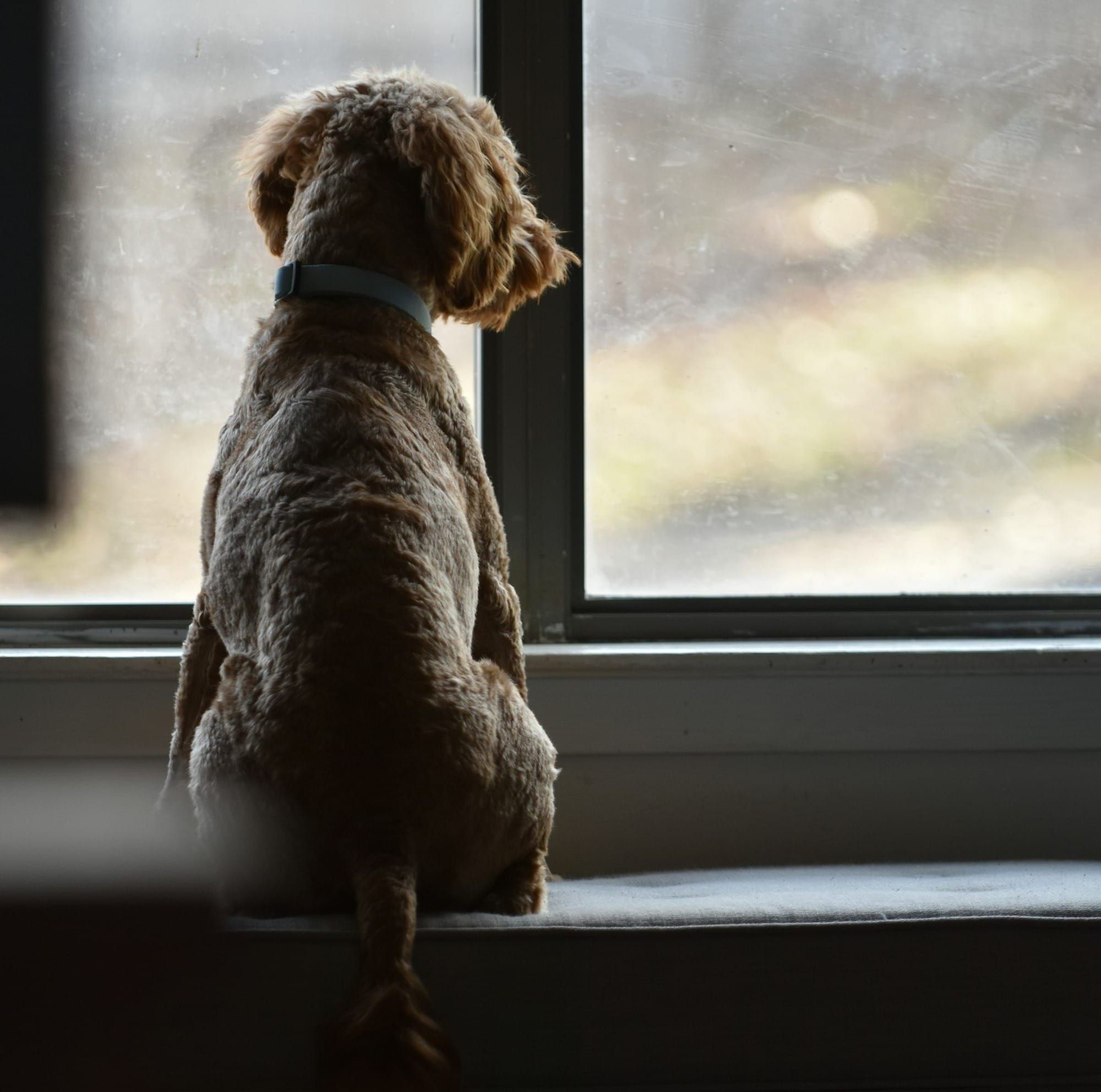
For pet owners, few things feel more heartbreaking than closing the door while your pet cries on the other side. They love you, they miss you, and in some cases, they begin grieving your absence before you have even left.
You hear the barking before you reach the car. Or you come home to shredded blinds, scratched doors, overturned cushions, a soiled rug, or a cat who has spent the day hiding and crying. Sometimes the distress is loud and unmistakable. Other times it is quieter like a pet that refuses food, follows you from room to room, trembles when you pick up your keys, or collapses into exhaustion after hours of panic.
For many owners, the first instinct is frustration. Why is the dog destroying things? Why is the cat acting out? Why can’t the animal simply settle down?
But separation anxiety is not stubbornness, revenge or retribution for having to leave. In many cases, it is fear.
The ASPCA describes separation anxiety in dogs as distress that can begin as soon as a guardian prepares to leave or shortly after the person is gone, often showing up through barking, destruction, attempts to escape, pacing, drooling, or house soiling. These behaviors are not merely inconveniences; they may be signs that an animal is experiencing intense panic when left alone.
And while separation anxiety is most often discussed in dogs, cats can struggle too. The American Association of Feline Practitioners notes that veterinarians should take emotional suffering seriously and encourages cat owners to contact a veterinary hospital when they notice anxiety, fear, or behavior that differs from a cat’s normal pattern.
That is important because animals often speak distress through behavior. They cannot explain that they feel unsafe. They cannot say, “I do not understand that you are coming back.” They cannot tell us that the sound of keys, shoes, garage doors, or silence after departure has become terrifying. They show us in the only language they have.
What Separation Anxiety Can Look Like
In dogs, separation anxiety may look like constant barking, whining, howling, chewing, digging at doors, trying to escape crates or rooms, pacing, panting, drooling, trembling, vomiting, or urinating and defecating indoors. Some dogs become visibly anxious before the owner leaves, watching every movement as though they are tracking an approaching loss. Others appear calm until the door closes, and then panic within minutes.
Cats may show distress differently. They may vocalize excessively, hide, stop eating, overgroom, become clingy, scratch furniture, urinate or defecate outside the litter box, or become unusually withdrawn. Because cats are often more private in their suffering, their anxiety can be easier to miss or misread as defiance. Cornell’s Feline Health Center emphasizes that house soiling and other behavior problems can have many causes, which is why medical issues should be ruled out rather than assuming the problem is purely behavioral.
That is one of the most important first steps: before deciding an animal has separation anxiety, owners should talk to a veterinarian. Pain, urinary tract disease, gastrointestinal problems, cognitive decline, hearing loss, vision changes, thyroid issues, and other medical conditions can change an animal’s behavior. A dog who suddenly panics when alone may be sick. A cat who starts urinating outside the litter box may have a medical problem. Compassion begins by asking what the animal may be suffering, not simply what the animal has done wrong.
Why It Happens
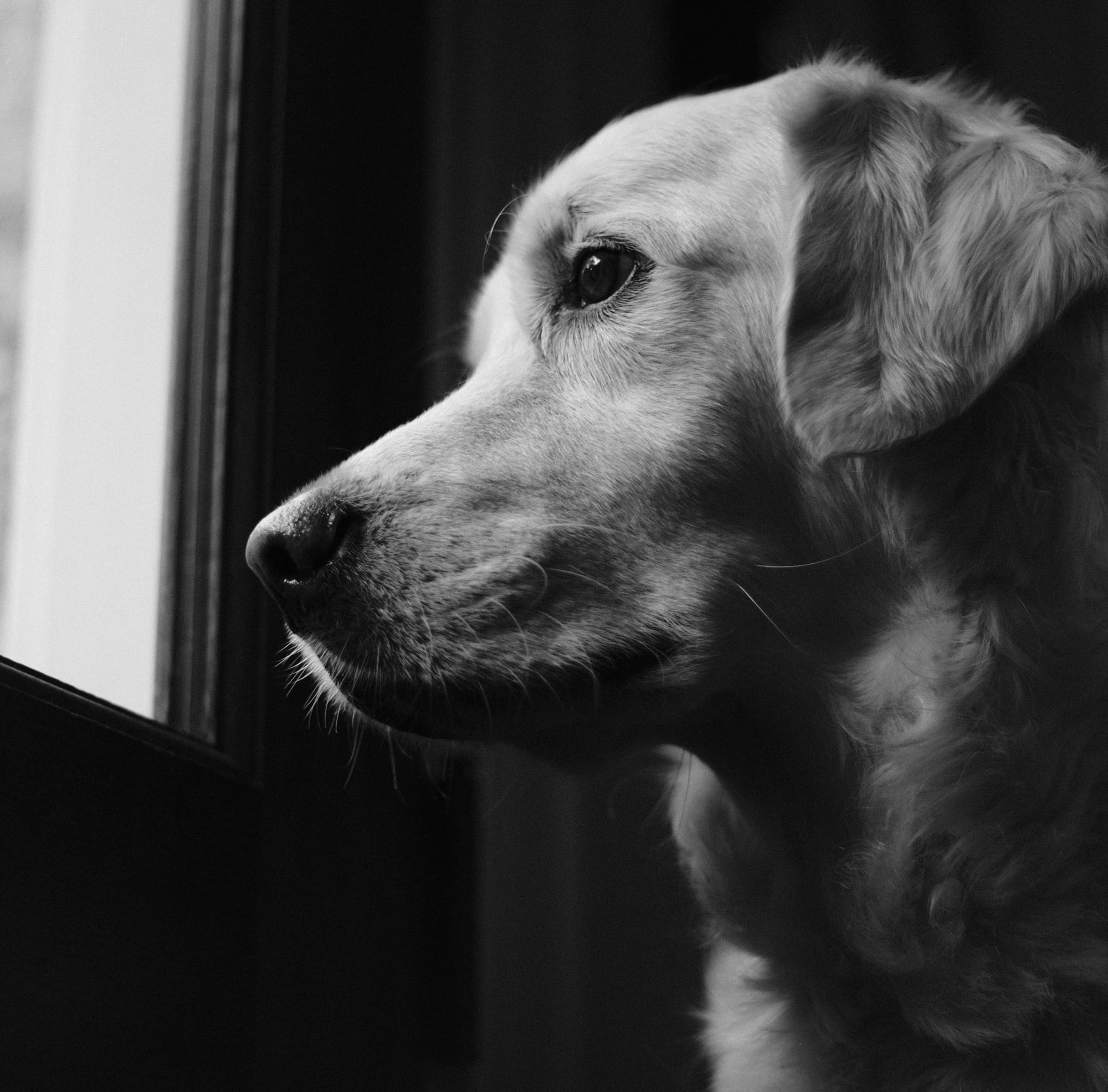
Separation anxiety can develop for many reasons. Some animals are naturally more sensitive. Others have experienced abandonment, rehoming, shelter transitions, neglect, trauma, sudden schedule changes, the death of another pet, the loss of a family member, or long stretches of constant companionship followed by abrupt separation.
The pandemic years made this more visible for many families. Pets who became used to full-time human presence suddenly had to adjust when owners returned to work, school, travel, and normal routines. But the issue did not begin there. Separation-related problems have long been recognized as common and serious welfare concerns, especially in dogs. The PDSA describes separation-related problems as distress, panic, fear, frustration, or overexcitement when dogs are left alone or separated from a particular person, and notes that these problems can have a major impact on quality of life.
This is where owners often need a shift in perspective. The animal is not trying to ruin the house. The animal is trying to survive the feeling of being alone.
That does not mean the behavior can be ignored. Destroyed doors, injured paws, broken teeth, torn crates, and nonstop barking can create serious problems for the animal, the family, and neighbors. But punishment usually makes fear worse. Yelling after the fact does not teach a frightened animal how to feel safe. It may only add confusion, because the animal does not connect the owner’s anger with an anxious episode that happened hours earlier.
How to Help Without Making It Worse
Helping a pet with separation anxiety usually requires patience, structure, and gradual training. The goal is not simply to make the animal stop barking or scratching. The goal is to help the animal learn that being alone is safe.
For mild cases, owners can start by making departures and returns calmer. The ASPCA recommends keeping greetings and goodbyes relaxed so leaving does not become emotionally charged. A quiet goodbye and a calm return can help reduce the dramatic contrast between presence and absence.
Exercise and enrichment can also help, especially for dogs. A walk, play session, training activity, food puzzle, or safe chew before departure may help some animals settle. The ASPCA also recommends rotating toys and using interactive toys or frozen food-stuffed toys to keep pets mentally engaged while an owner is gone.
But enrichment is not a cure for severe anxiety. A puzzle toy will not fix panic if the animal is too distressed to eat. Some anxious pets ignore food completely once the owner leaves. In those cases, the treatment usually needs to be slower and more deliberate.
One common method is desensitization and counterconditioning. That means gradually helping the animal become comfortable with the cues and experience of being alone. For example, an owner might pick up keys without leaving, open the door and close it again, step outside for a few seconds, then slowly build to longer absences. The goal is to stay below the animal’s panic threshold. If the pet is already frantic, the session has gone too far too fast. ASPCA Pet Insurance notes that this process can take patience and may benefit from help from a trainer, certified animal behaviorist, or veterinary behaviorist.
For severe cases, professional help matters. A veterinarian may recommend a treatment plan that includes behavior modification, environmental changes, and sometimes medication. Medication is not a moral failure. It is not “giving up.” For some animals, anxiety is so intense that they cannot learn until their panic is lowered. A veterinary professional can help determine whether medication is appropriate and safe.
Crates, Rooms, and the Question of Safety
Many owners assume crate training will solve separation anxiety. Sometimes a crate helps a dog feel secure. But for other dogs, confinement makes panic worse. A severely anxious dog may injure itself trying to escape. If a pet bends crate bars, breaks teeth, claws until bleeding, or panics more intensely when confined, the setup needs to be reconsidered with professional guidance.
A safer option for some pets may be a pet-proofed room, baby gates, calming music, white noise, window coverings, or a comfortable resting area away from outdoor triggers. Cameras can help owners understand what actually happens after they leave. Some animals panic immediately. Others settle for a while and then escalate. Video can help a veterinarian or behavior specialist create a better plan.
For cats, environment is especially important. Cats need hiding places, vertical spaces, scratching areas, predictable routines, food and water access, and clean litter boxes. If a cat becomes anxious when left alone, owners should avoid assuming that another cat will automatically solve the problem. A second animal may help some pets, but it can also create new stress if introductions are rushed or personalities clash.
The Spiritual Lesson in Care
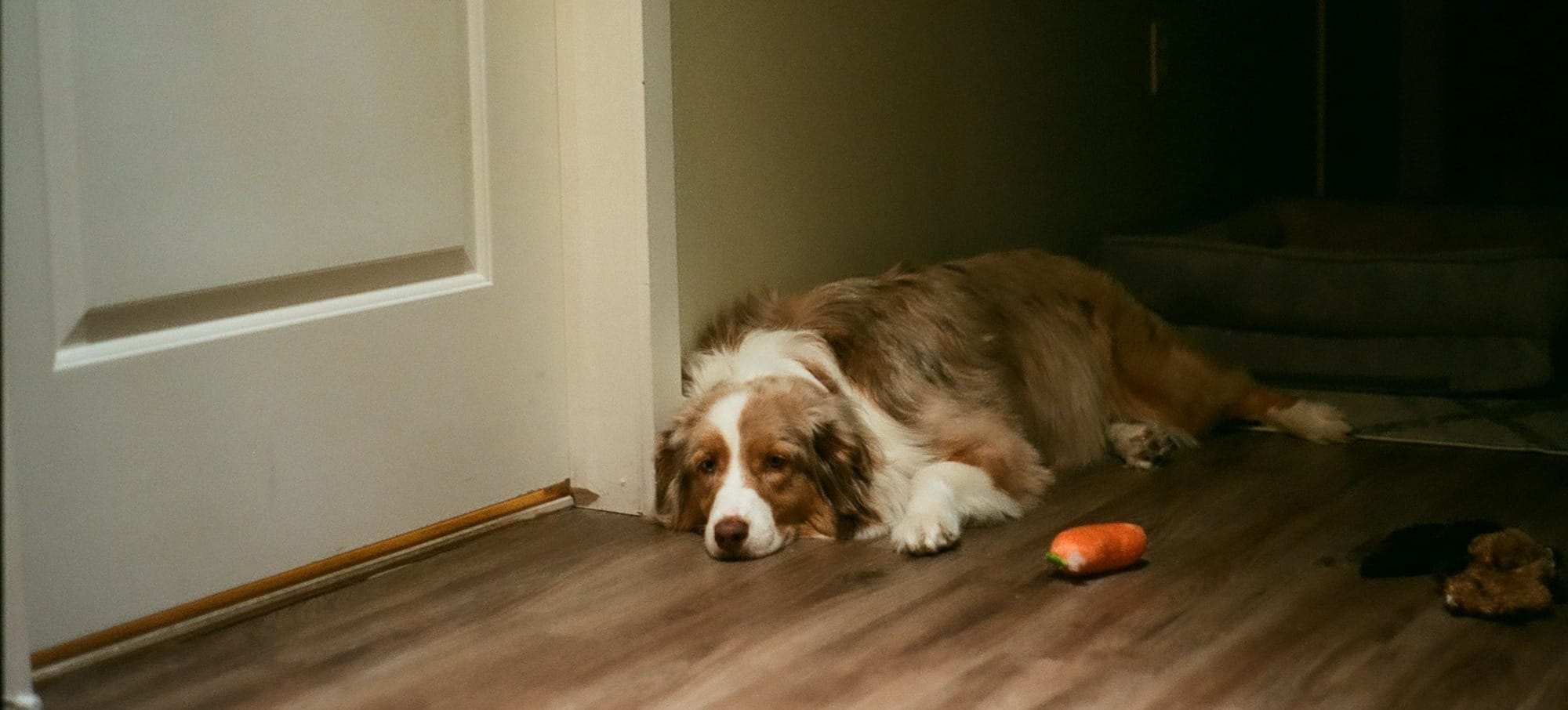
For Christians, caring for an anxious animal can become a small but meaningful act of stewardship.
Proverbs 12:10 says, “A righteous man regards the life of his animal.” That verse calls human beings to tenderness, responsibility, and attention. Animals are dependent creatures. They live under our decisions. Their schedules, food, shelter, safety, exercise, companionship, and medical care are shaped by us.
That kind of power should make us gentle.
Separation anxiety asks something costly from an owner. It asks for patience when the rug is ruined. It asks for wisdom when a neighbor complains. It asks for humility when the simple solution does not work. It asks us to see behavior not only as a problem to stop, but as communication to understand.
This does not mean owners should build their entire lives around a pet’s anxiety. Human families have work, school, church, caregiving, errands, and responsibilities. But it does mean we should not dismiss an animal’s distress as meaningless. A panicked pet needs formation too—slowly, kindly, consistently.
In many ways, helping an anxious animal learn to be alone is an act of teaching peace.
Not the sentimental peace of pretending nothing is wrong, but the practiced peace of small repetitions: I leave, and I come back. The door closes, and you are safe. The house becomes quiet, and you are not abandoned. The world can feel uncertain, and yet you can still rest.
That takes time. It may require a veterinarian, a trainer, medication, new routines, better enrichment, and a family willing to change habits. But animals can learn. Many do improve. And even when progress is slow, compassionate care is never wasted.
A pet’s fear may be inconvenient, but it is still fear. And fear deserves patience.
Questions for Pet Owners
- Does my pet show signs of panic when I prepare to leave or shortly after I am gone?
- Have I ruled out medical causes with a veterinarian before assuming this is behavioral?
- Am I responding to my pet’s anxiety with punishment, or am I helping them learn safety gradually?
- What simple changes could make my pet’s environment calmer while I am away?
- Do I need help from a veterinarian, certified trainer, or veterinary behaviorist?
A Prayer for Gentle Stewardship
Lord, help us care wisely for the animals entrusted to us. Give us patience when their fear becomes difficult, discernment to notice what they cannot say, and humility to seek help when we need it. Teach us to be gentle stewards of every vulnerable creature in our care, and let our homes become places of safety, peace, and kindness. In Jesus name, Amen.