

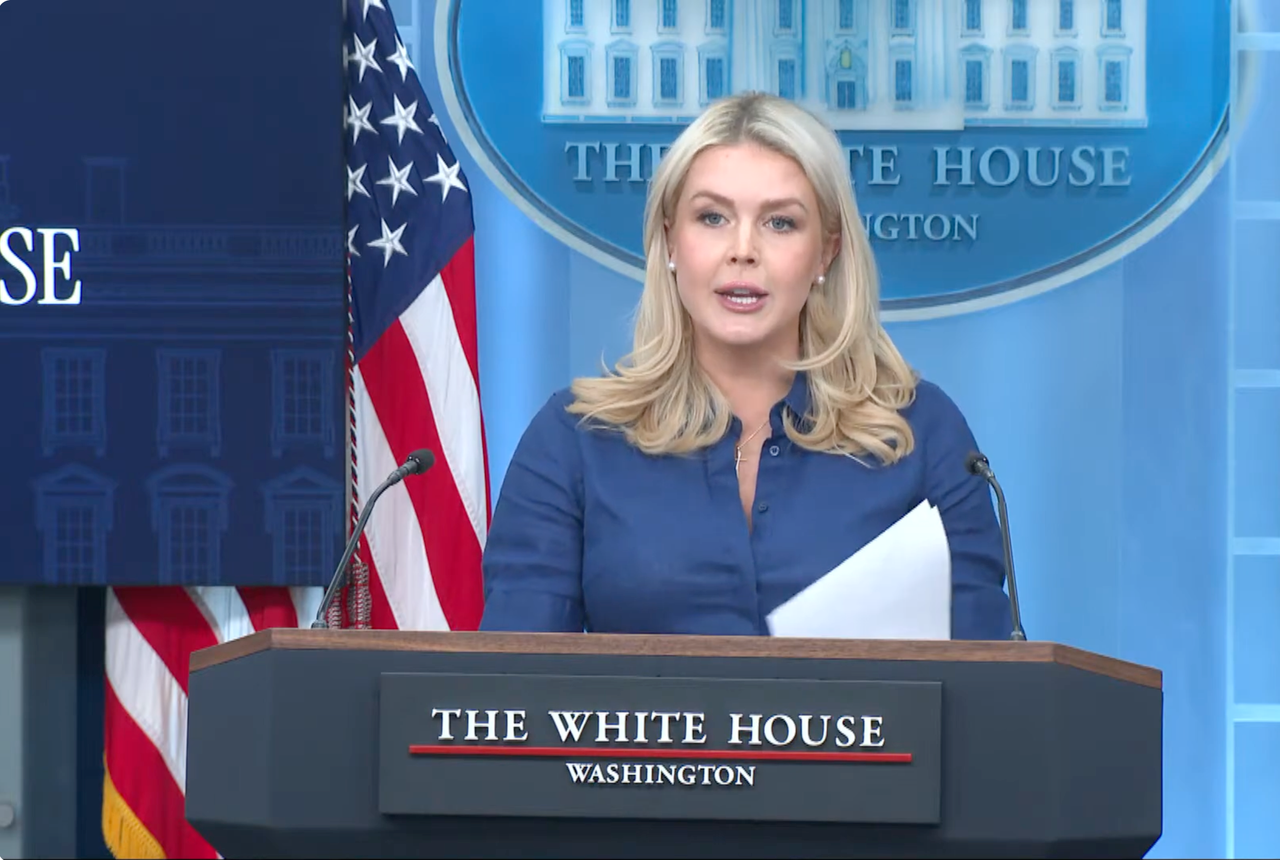
TEHRAN — A fragile ceasefire between the United States and Iran came under renewed strain Wednesday after Iran again closed the Strait of Hormuz in response to intensified Israeli strikes in Lebanon, raising fresh doubts about whether peace talks can hold. The White House demanded the waterway be reopened and said it still wants negotiations to move forward.
The latest setback came as Israel widened its campaign against Hezbollah in Lebanon, including strikes in Beirut. The Associated Press reported that at least 182 people were killed Wednesday in Lebanon’s deadliest day of fighting in the current round of conflict, while Reuters later reported the toll had risen even higher as the bombardment continued.
The ceasefire had already been described by U.S. Vice President JD Vance as “fragile,” and Tehran quickly signaled its anger. Iranian parliament speaker Mohammad Bagher Ghalibaf said planned talks were now “unreasonable,” accusing Washington of violating several Iranian conditions for ending the fighting, including by allowing Israeli attacks on Hezbollah and failing to meet Tehran’s demands over enrichment and the strait.
Despite both Washington and Tehran publicly claiming victory after the agreement, the renewed violence has exposed deep disputes over what the ceasefire actually covers — especially whether Lebanon is included and who controls access through the Strait of Hormuz. With talks expected in Pakistan, diplomats are still trying to keep the deal alive, but the new fighting has made clear how easily it could unravel.