

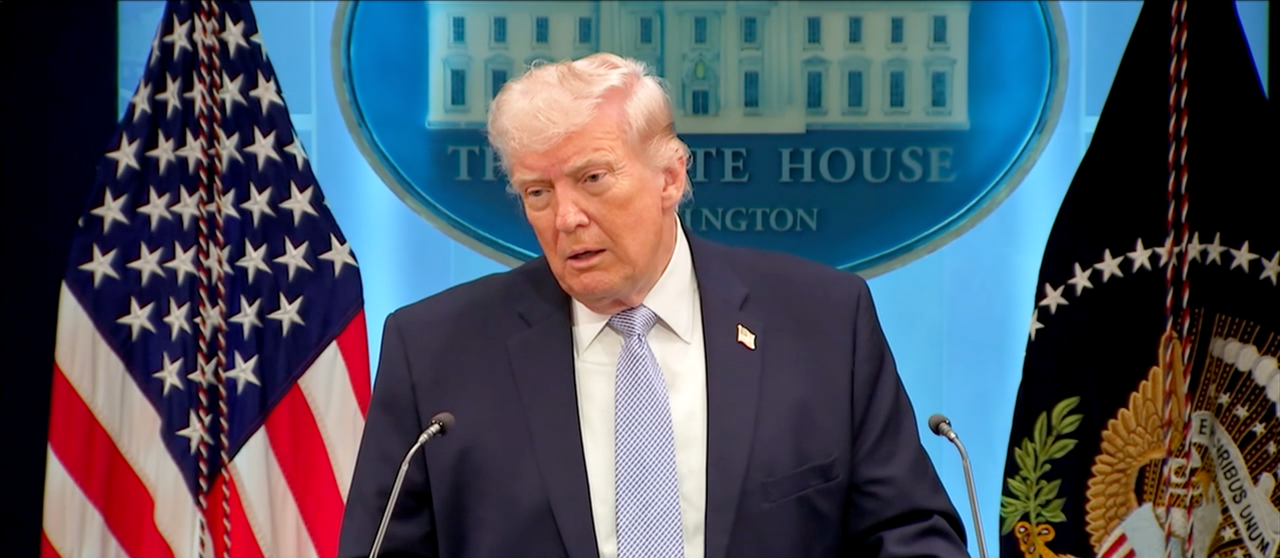
WASHINGTON — President Donald Trump sharply escalated tensions with Iran on Tuesday, April 7, warning that “a whole civilization will die tonight” if Tehran failed to meet his 8 p.m. Eastern deadline for a deal. In a Truth Social post, Trump wrote, “A whole civilization will die tonight, never to be brought back again. I don’t want that to happen, but it probably will,” and called the coming hours “one of the most important moments in the long and complex history of the World.”
The ultimatum was tied to Trump’s demand that Iran agree to terms that included reopening the Strait of Hormuz, the narrow waterway that carries a major share of the world’s oil shipments. Trump said he would order attacks to destroy Iran’s power plants and bridges if Tehran did not comply by the deadline. The latest proposal also centered on reopening the strait, making the threat not only military but economically consequential for the wider region and global energy markets.
The warning marked the latest step in Trump’s increasingly severe public rhetoric toward Tehran. Trump again pressed Iran to “make a deal” before the deadline, while he used “apocalyptic language.” In the same round of remarks, Trump also suggested that “something revolutionarily wonderful can happen,” saying the United States was now dealing with “different, smarter, and less radicalized” leaders in Iran.
Iran is giving no public signs that it intended to accept Trump’s terms before the deadline. Tehran is showing no indication it will yield to the ultimatum, as Iranian officials urged young people to form human chains around power plants and other possible targets. That response underscored the degree of alarm inside Iran as fears grow that civilian infrastructure could come under even heavier attack if no agreement is reached.
The threat immediately drew broader concern because of what it implied. Legal experts said wide-scale destruction of infrastructure without distinguishing between civilian and military targets could violate international and U.S. law. Even apart from those legal questions, Trump’s language injected fresh instability into an already volatile conflict, raising fears of a wider regional disaster if diplomacy failed before the deadline.
This remains a developing story.