


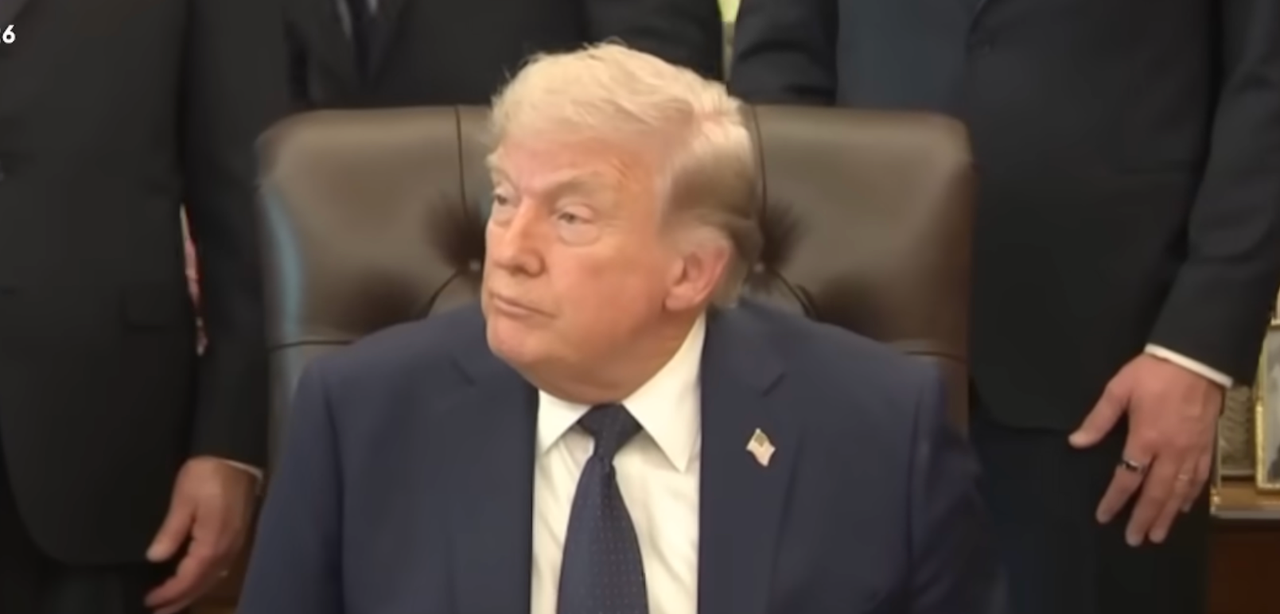
When President Donald Trump said he feels no “time pressure” to reach a deal with Iran, he was saying more than that negotiations are still open. He was also signaling that Americans should prepare for uncertainty to last longer than many may have hoped. Reuters reported that Trump said he was not in a hurry to make an agreement, that he wanted a lasting peace rather than a rushed one, and that Iran “may have reloaded” during the recent two-week truce. He also said the United States would not use nuclear weapons in the conflict and argued that conventional force had already severely weakened Iran.
That message can be read in two ways. On one hand, it suggests Trump does not want to sign a flimsy deal simply for the optics of closure. A rushed agreement that collapses weeks later would hardly reassure the country. On the other hand, “no time pressure” is not a neutral phrase when the conflict sits atop one of the world’s most important energy chokepoints. In practice, it means the administration is willing to let the standoff continue if the terms are not right. For Americans, it sounds like we will be living with the economic and political costs of an open-ended crisis.
For many Americans, the most immediate effect of this war will likely be felt in the cost of everyday life. Reuters reported that global markets were already on edge this week, with oil climbing above $107 a barrel as the U.S.-Iran deadlock weighed on investors. Another Reuters report said Brent crude had risen 18% for the week and U.S. crude 15%, driven by continued tensions around the Strait of Hormuz and fears that the ceasefire could give way to a broader confrontation.
That matters because energy shocks rarely remain limited to the Middle East or to financial markets. They move outward into everyday American life—into gas prices, shipping costs, airline fares, food distribution, and the broader inflation pressures households already feel. Most Americans do not need to follow the details of naval blockades or diplomatic maneuvering to understand what prolonged instability means. They recognize it when it costs more to fill the tank, when grocery prices begin climbing again, and when the fragile sense of economic relief starts to slip away just as many families were hoping for more stable ground.
There is another implication too, and it is psychological. “No time pressure” tells allies, markets, military families, and ordinary citizens that Washington is settling into a longer posture of tension. That may be strategically defensible. It may even be necessary if the White House believes Iran is negotiating in bad faith or simply buying time. But it also means Americans are being asked to live under the shadow of a conflict that has no clean public timeline. The White House has stated that no U.S.-Iran peace talks appeared to be imminent in Islamabad, even as the city stayed under tight security in anticipation of possible negotiations. That kind of diplomatic uncertainty tends to generate anxiety, speculation, and public exhaustion.
Many Americans would rather hear that a president is aiming for a lasting peace than watch another fragile agreement collapse under pressure. But the pursuit of something more durable carries its own cost when the waiting drags on. In effect, the White House is asking the public to live with a conflict that may continue weighing on markets, politics, and household finances while negotiators determine whether a genuine settlement can be reached.
That is what his words could mean for Americans. Not simply that talks are continuing, but that the country may be entering a longer season in which uncertainty itself becomes part of daily life. No time pressure at the negotiating table can still create plenty of pressure everywhere else.