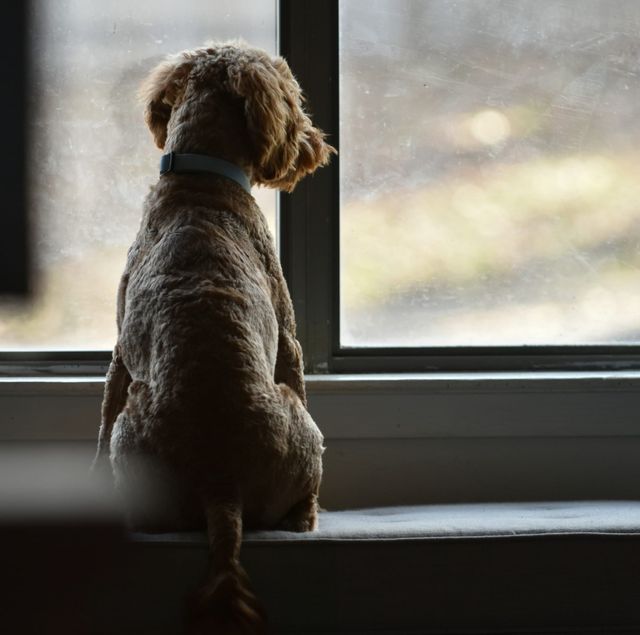



Today, I witnessed something that broke my heart.
I was in my backyard with one of my dogs when I saw a man violently kick and hit his own. The poor animal yelped and cowered on the ground as the man’s anger poured out. He was angry that his dog reacted to my dog and began to bark. His reaction was beyond reason; it was rage turned toward the innocent. Without thinking, I yelled at him to stop. He glanced up, startled, but the moment hung heavy in the air. And the mistreatment of that poor dog etched itself in my spirit.
The dog trembled, eyes wide with confusion and pain. And all I could think was: This is not how it’s supposed to be.
I live in Texas, and sadly, cruelty to animals here is all too common. Dogs are abandoned, neglected, used for fighting, and often euthanized because there are not enough homes or shelters. Many once had the hope of being rescued, before the 2024 election and transports to northern shelters were reduced. Now, so many are left to suffer on the streets, unseen, unloved, forgotten.
I’ve rescued several over the years. Each one came to me hungry, scared, and unsure, but within days, they began to trust again. My husband often reminds me that I can’t save them all and he’s right, but that truth doesn’t make it any easier to accept. The last dog I found, a thin, gentle stray wandering near our neighborhood and was taken to a no-kill shelter, one of the few we have here near Houston. I cried for an hour because I had never taken an animal to a shelter before. When I left him there, he looked back at me with the saddest eyes that seemed to ask, Will I survive? I whispered a prayer that he would.
But today, as I watched that man’s cruelty, something deeper stirred in me, something spiritual. It reminded me of a sermon I once heard from the late John MacArthur about the coming Tribulation and the rise of lawlessness in the last days. He said that as the world’s love grows cold, violence will become commonplace. “People will be abused, and abusers will multiply,” he warned. “Animals will suffer the most.” He described a world where cruelty, beatings, dog fighting, torture, and unspeakable acts would become normalized.
I remember hearing that sermon and thinking, Surely we’re not that far gone. But watching that man today, I felt the weight of his words. Maybe we’re closer than we want to admit.
The Bible tells us in Matthew 24:12, “Because lawlessness will abound, the love of many will grow cold.” That verse echoes through my mind every time I see the news, every time I witness people’s hearts hardening toward one another, toward the weak, toward creation itself. Lawlessness isn’t just about breaking civil laws, it’s about breaking the moral law written on our hearts. It’s about the erosion of compassion, the dulling of empathy and the loss of reverence for life.
And animals, those gentle, voiceless beings, often become the first victims of that coldness.
God never made animals for abuse. He made them as part of His good creation and called humanity to care for them. In Genesis 1:26, He gave mankind dominion over “the fish of the sea and the birds of the air… and over every living thing that moves on the earth.” But dominion never meant domination, it meant to be a guardian, a protector. To provide provision and compassion. We are called to reflect God’s image and to mirror His character, and His character is merciful.
Proverbs 12:10 says, “The righteous care for the needs of their animals, but the kindest acts of the wicked are cruel.” That verse doesn’t just speak about pets; it speaks about the heart of a person. Righteousness reveals itself not in power, but in mercy. God sees how we treat what He’s entrusted to us, our children, neighbors, strangers and animals. Everything we do reflects the posture of our souls.
When we care for creation, we are fulfilling a sacred duty that began in Eden.
Before sin entered the world, Adam’s first role wasn’t warrior or worker, it was caretaker. Genesis 2:15 says, “The Lord God took the man and put him in the garden of Eden to work it and keep it.” That word keep means to guard, preserve, and nurture. Stewardship is not ownership; it’s partnership with God in sustaining life.
Throughout Scripture, we see God’s heart for His creatures. He commanded Noah to bring animals onto the ark, not just the strong, but “two of every kind,” ensuring none were forgotten. He instructed Israel to rest their animals on the Sabbath (Exodus 23:12), to let the ox eat as it worked (Deuteronomy 25:4), and to avoid needless harm to even the smallest bird (Deuteronomy 22:6–7). These weren’t arbitrary rules; they were revelations of divine kindness.
God loves His creation because it reflects His glory. Psalm 145:9 declares, “The Lord is good to all; His tender mercies are over all His works.”
So, when we show mercy to the vulnerable whether a person or an animal, we are participating in God’s goodness. We are pushing back against the curse that sin has unleashed upon creation.
Paul writes in Romans 8:22–23, “For we know that the whole creation has been groaning together in the pains of childbirth until now.” Creation itself feels the weight of human sin. The suffering of animals, the destruction of the earth, the violence we witness, it’s all part of the groaning of a world waiting for redemption.

Isaiah gives us that beautiful vision in Isaiah 11:6–9:
“The wolf shall dwell with the lamb, and the leopard shall lie down with the young goat…They shall not hurt or destroy in all my holy mountain, for the earth shall be full of the knowledge of the Lord as the waters cover the sea.”
What a day that will be when cruelty will end, when fear will cease, when every living creature will rest under the righteousness of Christ.
Until that day comes, we are called to be the hands and heart of God to a world that’s losing its tenderness. The measure of our faith isn’t only in our prayers or our doctrines, but in our compassion. 1 John 3:17 asks, “If anyone has the world’s goods and sees his brother in need, yet closes his heart against him, how does God’s love abide in him?”
The same could be said of how we treat God’s creation. Love without compassion is empty religion. Faith without mercy is empty.
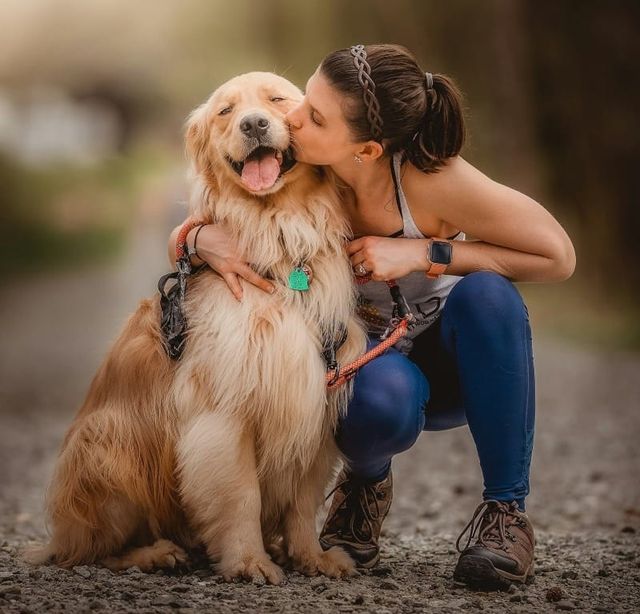
God’s love is unconditional and, in many ways, animals reflect that love better than we do. They forgive, they trust, they comfort without words. Every wag of a rescued dog’s tail feels like grace in motion, a small reminder that healing is still possible. They remind us that even when the world is cruel, love can be reborn.
I can’t get the image of that man’s dog out of my mind. But I pray for him too, the man, not just the animal. Because cruelty is often born out of brokenness. People who harm others, whether humans or animals, often carry wounds they’ve never brought to the Cross. And that’s where hope begins.
The same God who commands us to show mercy is the God who offers it to us. No one is beyond redemption. The world is growing darker, yes but even a small light still pierces the night.
Every act of compassion is an act of resistance against lawlessness. Every rescued dog, every kind word, every prayer for a suffering soul declares: Love has not gone cold yet.
Maybe we can’t save them all. But we can save one. We can love one. We can reflect the mercy of the One who saved us.
And one day, when the Prince of Peace returns, He will make all things new. He will wipe away every tear from human eyes and, I believe, from the eyes of creation too.
Until then, may we live as faithful stewards of His love. May our hearts stay tender.
May we never forget that to care for what God loves is to walk in His likeness.