

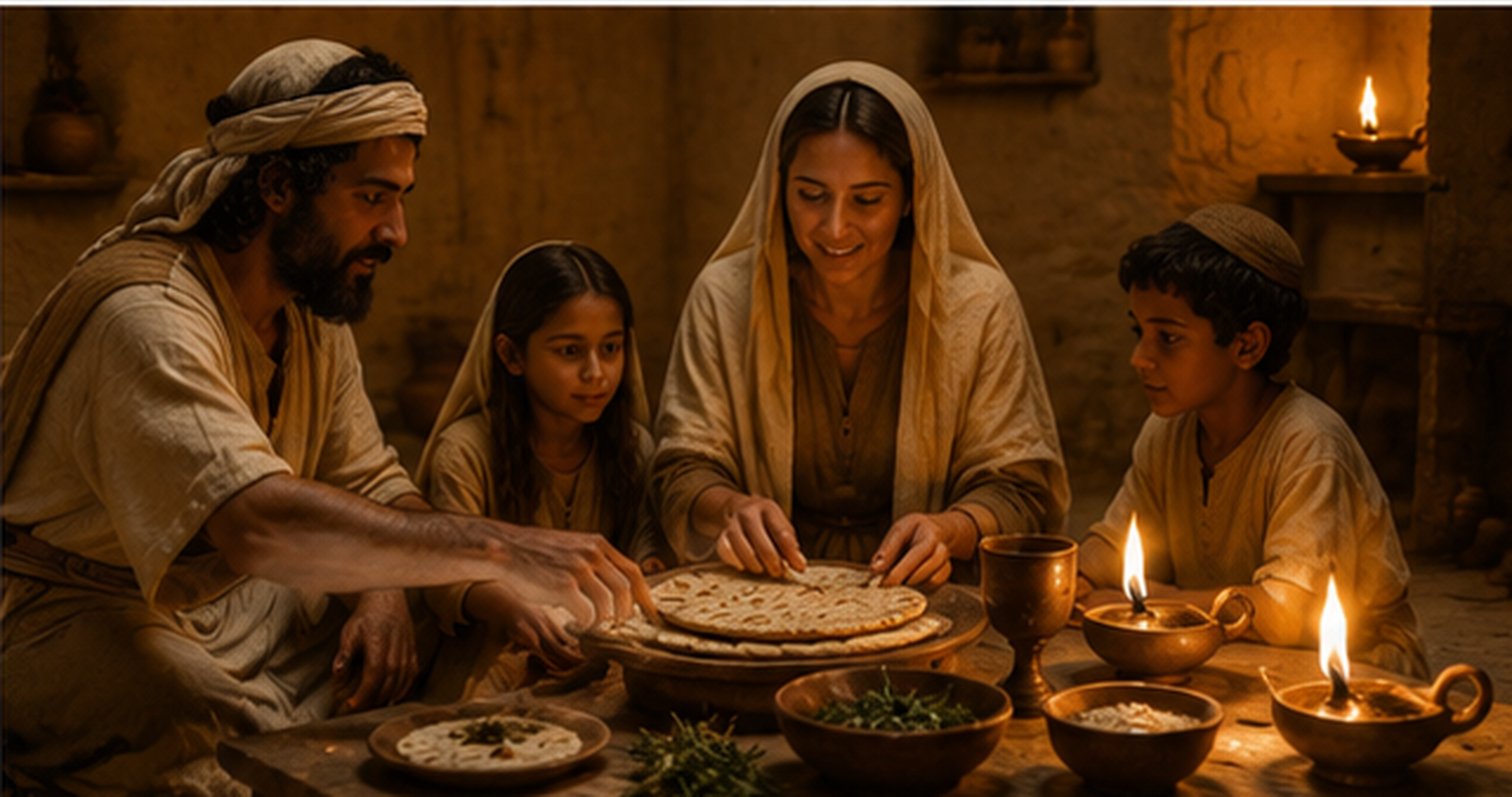
Before Israel had time to settle into freedom, they had to leave in haste.
There was no long preparation, no slow goodbye to Egypt, no carefully planned journey into the wilderness. God’s deliverance came suddenly. Pharaoh’s resistance finally broke under judgment. The people had to be ready to move. Their bread had no time to rise.
That detail became one of Israel’s most important annual reminders.
The Feast of Unleavened Bread was not only about bread. It was about memory, urgency, obedience, separation, and identity. It taught Israel to remember the night God brought them out of Egypt with a mighty hand. It reminded them that deliverance was not something they achieved for themselves. It was God’s act, God’s mercy, and God’s power.
Closely connected to Passover, the Feast of Unleavened Bread became part of Israel’s yearly rhythm of remembering redemption. Passover focused on the lamb and the blood that marked the homes of God’s people. Unleavened Bread focused on the haste of departure and the call to leave Egypt behind.
For Christians, this feast also carries deep spiritual meaning. The New Testament uses the imagery of leaven and unleavened bread to speak about sin, sincerity, truth, and the new life made possible through Christ.
What Was the Feast of Unleavened Bread?
The Feast of Unleavened Bread was a seven-day biblical feast in which Israel ate bread made without leaven and removed leaven from their homes. It immediately followed Passover and was commanded by God as a lasting memorial of Israel’s deliverance from Egypt.
The feast is first described in Exodus 12. God commanded Israel to eat unleavened bread for seven days and to remove leaven from their houses. The first and seventh days were to be sacred assemblies, days set apart from ordinary labor.
Leaven is the ingredient that causes dough to rise. In ancient baking, this was often done by using a fermented portion of old dough. But during this feast, Israel ate bread without leaven because their ancestors left Egypt so quickly that their dough did not have time to rise.
Exodus 12:39 says the people baked unleavened cakes because they were driven out of Egypt and could not delay.
So the feast preserved the memory of urgency. Israel was to remember that the Lord’s deliverance came quickly, decisively, and powerfully. They did not have time to prepare bread in the usual way. They had to move when God opened the door.
Where the Feast Appears in Scripture
The Feast of Unleavened Bread appears throughout the Old Testament as one of Israel’s appointed feasts.
It is introduced in Exodus 12–13, where God commands Israel to remember the Exodus by eating unleavened bread and teaching their children what the Lord had done. Exodus 13:8 says, “You shall tell your son on that day, ‘It is because of what the Lord did for me when I came out of Egypt.’”
It is also listed in Leviticus 23, where the Lord gives Israel His appointed feasts. Passover falls on the fourteenth day of the first month, and the Feast of Unleavened Bread begins on the fifteenth day and lasts seven days.
The feast is mentioned again in Numbers 28, where offerings are described, and in Deuteronomy 16, where Israel is commanded to observe the month of Abib because the Lord brought them out of Egypt by night.
In the New Testament, the feast appears in the context of Jesus’ final week. The Gospels refer to the season of Passover and Unleavened Bread when describing the events leading to the Last Supper, the betrayal, and the crucifixion of Jesus.
When Was the Feast of Unleavened Bread Observed?
The Feast of Unleavened Bread was observed from the fifteenth day to the twenty-first day of the first month on Israel’s religious calendar. This month is called Abib in parts of the Old Testament and later became known as Nisan.
Passover took place on the fourteenth day of the month. The Feast of Unleavened Bread began the next day and lasted seven days.
Because the two observances were so closely connected, Scripture sometimes speaks of Passover and Unleavened Bread together. Over time, the whole festival season could be referred to broadly as Passover.
This matters because the events belonged together. Passover remembered the night of protection through the blood of the lamb. Unleavened Bread remembered the immediate departure from Egypt and the beginning of Israel’s life as a redeemed people.
The feast began with deliverance and continued with a visible act of separation. Israel was not merely saved from judgment. They were called out of bondage and into a new life with God.
Why Did Israel Eat Unleavened Bread?
Israel ate unleavened bread because their ancestors left Egypt in haste.
The bread told the story. It was simple, plain, and unfinished in the ordinary sense. It lacked the leaven that would have made it rise because there had been no time to wait. Egypt had become a place of slavery, and when God delivered His people, they had to leave immediately.
But unleavened bread also became more than a historical reminder. It became a symbol of Israel’s break with Egypt.
Every year, the people were to remove leaven from their homes. This act turned memory into practice. They were not only to say, “God delivered us.” They were to reorder their homes around that memory.
The feast forced Israel to ask: What belongs to the old life? What must be removed? What does it mean to live as a people no longer under Pharaoh’s rule?
In this way, Unleavened Bread was about more than the speed of departure. It was about the seriousness of being set apart for God.
What Happened During the Feast?
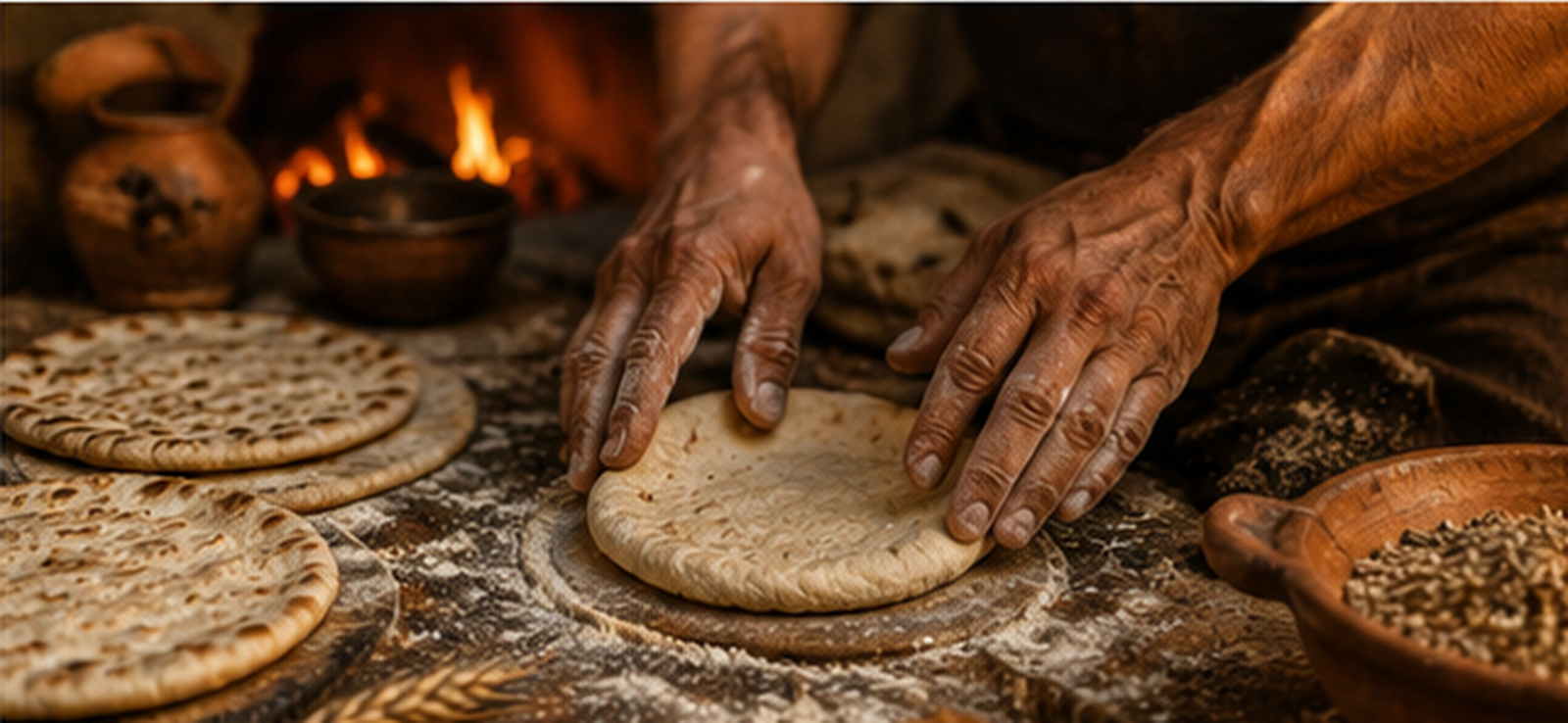
During the Feast of Unleavened Bread, Israel removed leaven from their homes and ate unleavened bread for seven days.
The first day and the seventh day were sacred gatherings. Ordinary work was restricted, and the people assembled before the Lord. Offerings were also made during the feast, especially as Israel’s worship became centered around the tabernacle and later the temple.
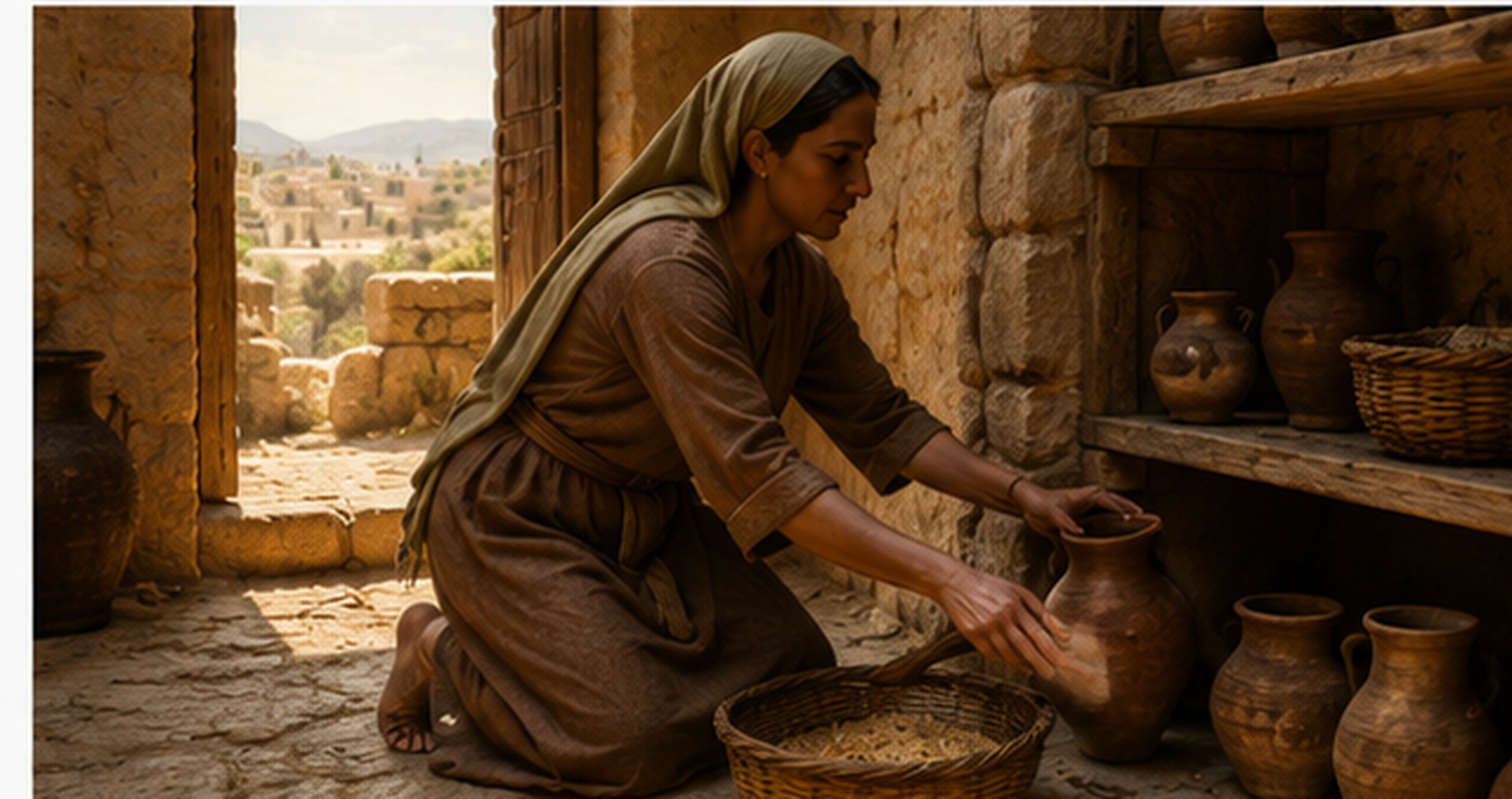
The removal of leaven was important. Leaven was not always evil in every biblical context, but in this feast it represented what had to be left behind. The old fermented dough was removed so that the feast could be kept with unleavened bread.
This made the observance both household-centered and community-centered. Families had to search their homes, prepare their food, and participate in the rhythm of remembrance. The community gathered before God. The feast shaped the home, the calendar, and the worship life of Israel.
It also taught children through experience. They could see the different bread. They could ask why the house had been cleared of leaven. They could hear the Exodus story retold again and again.
The feast was discipleship through memory.
What Caused the Feast to Happen?
The Feast of Unleavened Bread happened because of the Exodus.
Israel had been enslaved in Egypt for generations. Pharaoh oppressed them with forced labor and refused to let them go. God sent Moses to command Pharaoh to release His people, but Pharaoh repeatedly hardened his heart.
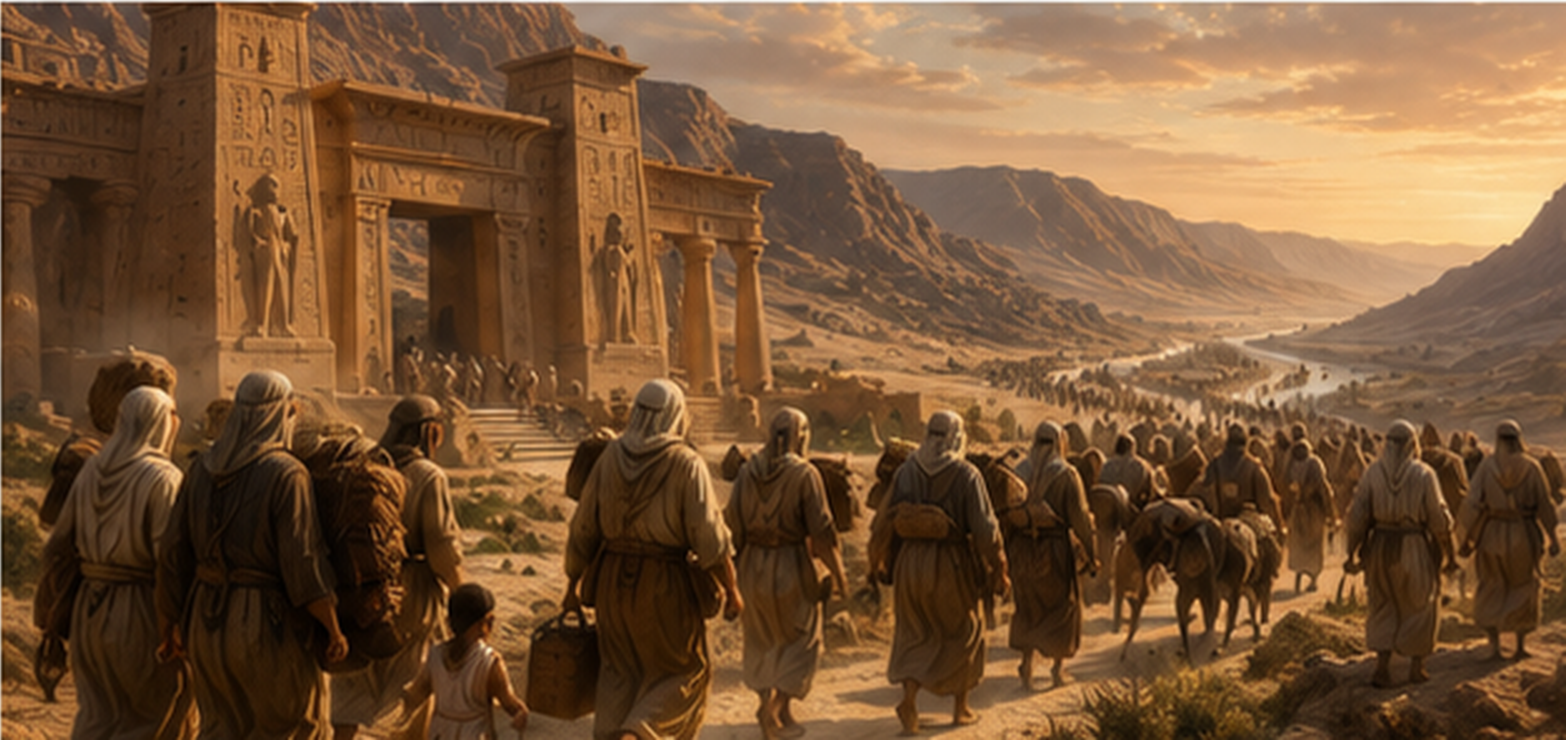
After the final plague, Pharaoh finally told Israel to leave. The departure was urgent. Exodus says the Egyptians were pressing the people to leave quickly because they feared further death and judgment. Israel left with their dough before it was leavened.
That historical moment became the foundation of the feast.
God did not want His people to forget the conditions of their deliverance. They had been slaves. They had been powerless. They had been trapped under an oppressive ruler. But God acted. He judged Egypt, spared His people, and brought them out.
The Feast of Unleavened Bread preserved that memory in ordinary food. Every bite reminded Israel: we left in haste because the Lord delivered us.
The Connection Between Passover and Unleavened Bread
Passover and Unleavened Bread are closely connected, but they are not exactly the same.
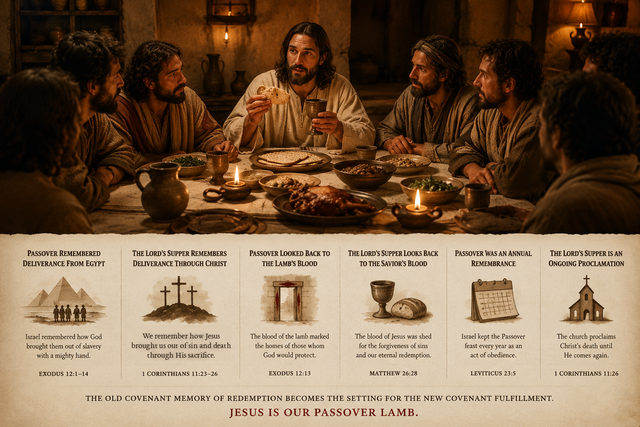
Passover centered on the lamb, the blood, and the night of judgment. The blood on the doorposts marked the homes of those who trusted and obeyed God’s command. When the Lord saw the blood, judgment passed over that household.
Unleavened Bread followed immediately and extended the memory of deliverance for seven days. If Passover marked the night God spared His people, Unleavened Bread marked the new life that began after Egypt.
Together, the two feasts told one larger story.
Passover said, “God redeemed us.”
Unleavened Bread said, “Now we must leave Egypt behind.”
This is why the feasts belong together. Redemption is not only rescue from judgment. It is also separation from bondage. God did not deliver Israel so they could remain spiritually attached to Egypt. He delivered them so they could become His covenant people.
What Did Leaven Represent?
In the Feast of Unleavened Bread, leaven represented what had to be removed as Israel remembered the Exodus.
In later biblical teaching, leaven often became a symbol of influence that spreads. Sometimes that influence is negative, as when Jesus warns against the leaven of the Pharisees and Sadducees. At other times, Jesus uses leaven positively in a kingdom parable to describe something that works its way through the whole.
So we should be careful not to say leaven always means sin in every passage.
But in the context of Unleavened Bread, the removal of leaven became associated with cleansing, separation, and leaving behind the old life. The old leaven was cleared out. The people ate bread that reminded them of deliverance, haste, and obedience.
Paul draws from this imagery in 1 Corinthians 5 when he writes, “Cleanse out the old leaven that you may be a new lump, as you really are unleavened.” He then connects this to Christ, saying, “For Christ, our Passover lamb, has been sacrificed.”
Paul’s point is not that Christians must keep the feast in the same way Israel did under the Mosaic covenant. His point is that the meaning behind the imagery still speaks. Because Christ has redeemed His people, they are not to live with the old leaven of malice and evil, but with sincerity and truth.
Jesus and the Feast of Unleavened Bread
The Feast of Unleavened Bread gives Christians a deeper way to understand Jesus’ final week, His sacrifice, and the call to new life.
The Gospels place the death of Jesus during the Passover and Unleavened Bread season. This timing is theologically rich. Jesus is presented as the true Passover Lamb, the One whose blood brings a greater deliverance than Israel’s escape from Egypt.
Unleavened Bread also points us toward the purity and sinlessness of Christ. He is the One without corruption, without deceit, and without sin. Where Israel often failed to live as a holy people, Jesus fulfilled perfect obedience.
The connection does not mean every detail of the feast should be forced into a hidden symbol. But the larger biblical pattern is clear: God redeems His people, removes them from bondage, and calls them into a life set apart for Him.
Jesus fulfills that pattern in the deepest possible way.
Through Him, God delivers His people not from Pharaoh only, but from sin and death. Through Him, believers are called to leave the old life behind. Through Him, the people of God become a new creation.
Why the Feast Still Matters Today
The Feast of Unleavened Bread still matters because it helps Christians understand that redemption changes the way people live.
Israel was not delivered so they could remain the same. They were brought out of Egypt so they could belong to God. The feast reminded them every year that freedom required departure. They had to leave quickly, but they also had to learn to live differently.
That message still speaks.
Many people want rescue without transformation. We want God to bring us out of pain, bondage, shame, fear, or judgment, but we do not always want to leave behind the patterns that shaped us in captivity. The Feast of Unleavened Bread confronts that tension.
It says that deliverance has a direction.
God brings His people out so He can bring them in: into covenant, worship, obedience, holiness, and life with Him.
For Christians, this does not mean we cleanse ourselves in our own strength. It means Christ has redeemed us, and because of His grace, we are called to live as people who no longer belong to the old bondage.
Why Unleavened Bread Still Speaks Today
The Feast of Unleavened Bread began with a simple reality: Israel left Egypt too quickly for their bread to rise.
But God turned that detail into a holy memory.
Every year, Israel remembered that deliverance came suddenly, powerfully, and mercifully. They remembered that Egypt was not their home. They remembered that slavery was not their identity. They remembered that God had brought them out with a mighty hand.
For Christians, the feast helps us see the shape of redemption. Christ, our Passover Lamb, has been sacrificed. The old life is not where we belong anymore. The leaven of sin, pride, malice, hypocrisy, and spiritual compromise must not be treated as harmless.
Unleavened Bread reminds us that God’s salvation is not only about being spared from judgment. It is about being made into a people who belong to Him.
Israel had to leave Egypt in haste.
And every generation after them had to remember: when God delivers, His people must be ready to follow.