

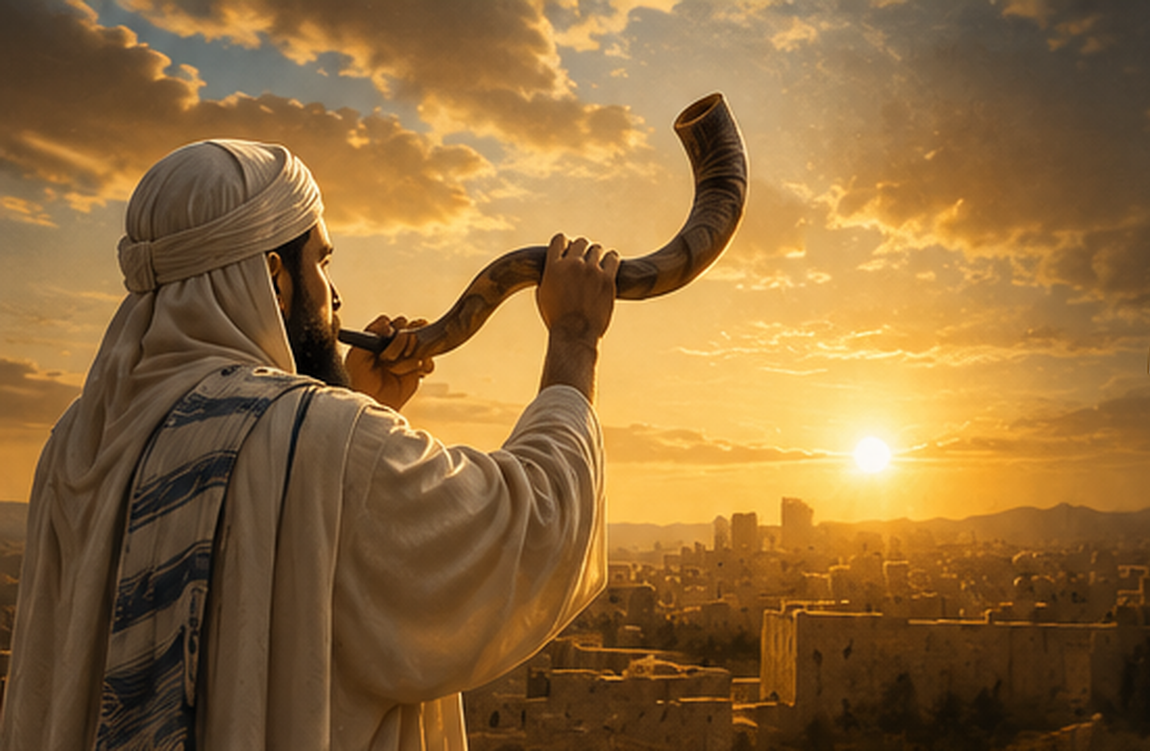
The Feast of Trumpets was a day of sound. No long explanation is given in Leviticus. No detailed ceremony is described. No historical event is retold the way Passover retells the Exodus. Instead, God commanded Israel to stop, gather, rest, offer worship, and listen for the blast.
When the trumpet sound rang loud in the air, it interrupted work. It gathered the people. It called attention to God.
That is what makes the Feast of Trumpets so powerful. It was not only a date on Israel’s calendar. It was a holy interruption. The sound announced that God’s people were entering a serious season of remembrance, worship, self-examination, and preparation.
In the Bible, trumpets could announce war, gather the people, signal movement, proclaim worship, warn of danger, and declare the presence of a king. The Feast of Trumpets gathered many of those meanings into one sacred day.
What Was the Feast of Trumpets?
The Feast of Trumpets was one of Israel’s appointed feasts. It was observed on the first day of the seventh month, the month later known as Tishri.
Leviticus 23:24–25 describes it as a day of solemn rest, a memorial proclaimed with trumpet blasts, a holy gathering, and a day when no ordinary work was to be done. Numbers 29:1 also calls it “a day for you to blow the trumpets.”
The Hebrew name often associated with this feast is Yom Teruah, which can mean “Day of Blowing,” “Day of Shouting,” or “Day of Trumpet Blasts.” The word teruah can refer to a loud sound, shout, alarm, or blast.
In later Jewish tradition, this day became associated with Rosh Hashanah, the Jewish New Year. But in the Torah, the emphasis is not primarily on a civil new year celebration. The emphasis is on sacred rest, trumpet blasts, remembrance, and worship before the Lord.
Where It Appears in Scripture
The Feast of Trumpets appears most directly in Leviticus 23:23–25 and Numbers 29:1–6.
Leviticus places it among the appointed feasts of the Lord. Numbers describes the offerings connected to the day. Together, these passages show that the Feast of Trumpets was not optional. It belonged to Israel’s worship calendar.
Trumpet imagery appears throughout Scripture. Trumpets were used at Mount Sinai when the Lord descended in fire and the people trembled at the sound (Exodus 19:16–19). Trumpets were used to gather Israel and direct the camp in the wilderness (Numbers 10:1–10). Trumpets sounded in worship, battle, warning, and royal announcement.
That background helps us understand the feast. The trumpet was a signal. It meant something important was happening.
When Was the Feast Observed?
The Feast of Trumpets was observed on the first day of the seventh month.
That timing matters. The seventh month was one of the most sacred months in Israel’s calendar. The Feast of Trumpets came first. Then came the Day of Atonement on the tenth day. Then came the Feast of Tabernacles beginning on the fifteenth day.
So the Feast of Trumpets opened the season of the fall feasts.
It functioned like a spiritual alarm. It announced that the people were entering a holy period. The Day of Atonement was near. The nation would soon face the annual reminder of sin, sacrifice, cleansing, and the mercy of God. Then Tabernacles would call Israel to remember the wilderness and rejoice in God’s provision.
The trumpet blast said: wake up, gather, remember, prepare.
Why Did Israel Observe It?
Israel observed the Feast of Trumpets because God commanded His people to mark the day as holy.
The Bible does not give as much explanation for this feast as it does for Passover or Unleavened Bread. That does not make it unimportant. In some ways, the silence makes the sound of the trumpet stand out even more.
The feast called Israel away from ordinary routine. No regular work was to be done. The people gathered before the Lord. Offerings were made. The trumpet blasts marked the day as sacred.
The feast reminded Israel that time belonged to God. Their calendar was not only agricultural or economic. It was theological. Their months, feasts, work, rest, harvests, and worship were ordered around the Lord.
In a world where people often drift spiritually, the Feast of Trumpets called Israel to attention.
What Happened During the Feast?
During the Feast of Trumpets, the people rested from ordinary work, gathered in sacred assembly, and heard the sound of trumpet blasts.
The Bible does not give a long ritual description, but Numbers 29 says sacrifices were offered to the Lord. The day was set apart by sound, rest, worship, and remembrance.
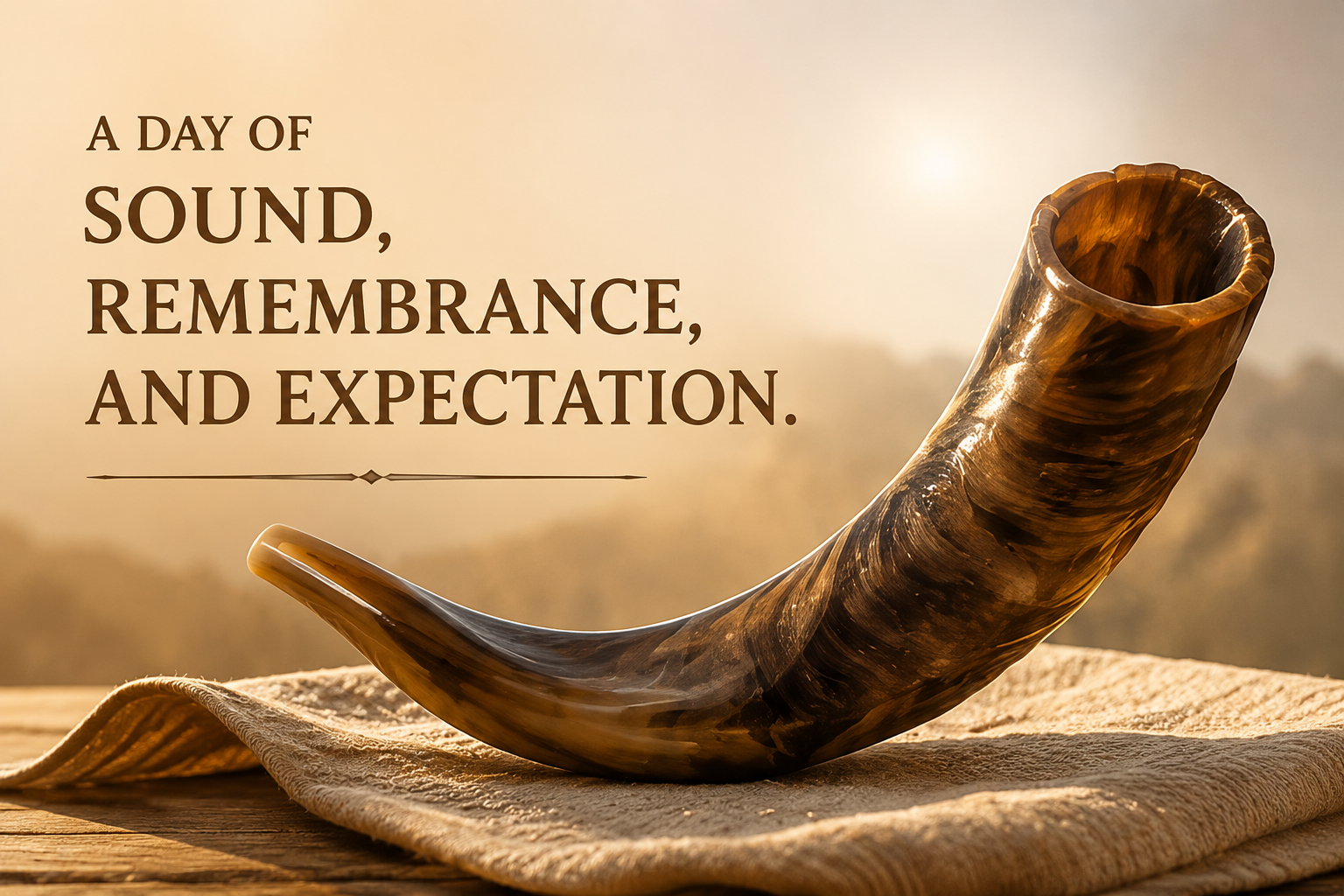
The instrument often associated with the feast is the shofar, a ram’s horn. Scripture also speaks of silver trumpets in Israel’s worship life, especially in Numbers 10. The main point is not the instrument alone, but the meaning of the sound.
The trumpet gathered the people.
The trumpet awakened attention.
The trumpet marked sacred time.
The trumpet reminded Israel that they lived before God.
This was not a private observance only. It was communal. Israel heard the sound together.
What Did the Trumpet Mean?
In Scripture, the trumpet often announces that something serious is happening.
At Sinai, the trumpet sound grew louder and louder as God descended on the mountain. In the wilderness, trumpets directed the movement of the camp. In battle, trumpets could sound alarm. In worship, trumpets could accompany praise. In royal settings, trumpets could announce a king.
The Feast of Trumpets gathered that range of meaning into a holy day.
The sound could be heard as a call to wakefulness. Israel was not to sleepwalk into the most sacred days of the year. The Day of Atonement was approaching. The people needed to remember who God is, who they were, and what it meant to live as His covenant people.
The trumpet also carried a sense of urgency. It did not invite vague spirituality. It called for attention. God’s people were being summoned.
Why It Mattered Before the Day of Atonement
The Feast of Trumpets mattered because it came just before the Day of Atonement.
The Day of Atonement was the most solemn day in Israel’s calendar. It involved sacrifice, cleansing, confession, and the high priest entering the Most Holy Place. It reminded Israel that sin was serious and that access to a holy God required atonement.
The Feast of Trumpets prepared the people for that moment.
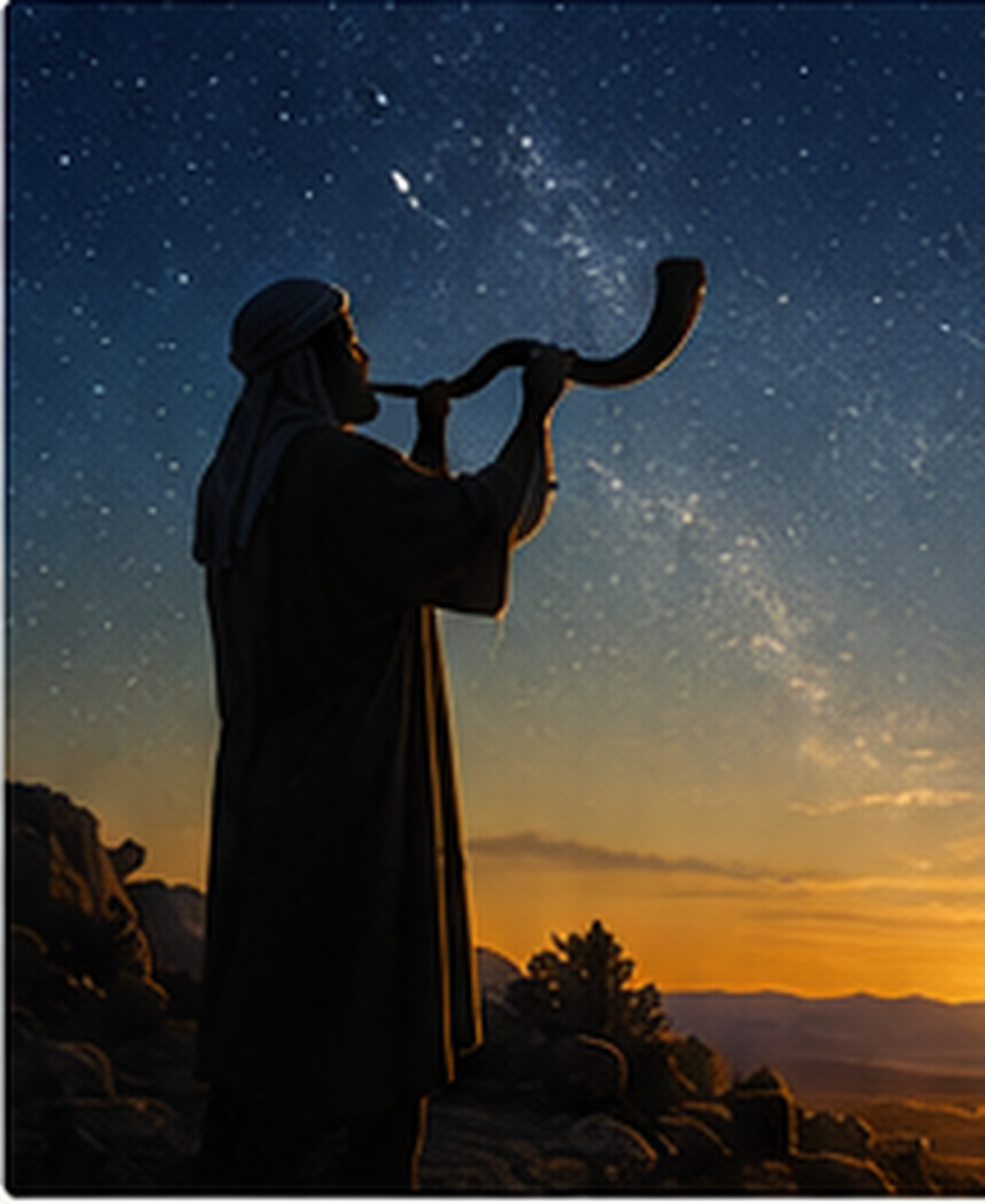
The trumpet blast was like a warning before the sacred encounter. It called Israel to stop pretending ordinary life was all there was. It called them to remember that they stood before the Lord.
This gives the feast a searching quality. It was not only about sound. It was about readiness.
Jesus and the Feast of Trumpets
The New Testament does not say that Jesus directly fulfilled the Feast of Trumpets in the same explicit way Paul says Christ is our Passover Lamb. So we should be careful not to force every detail.
But the New Testament does use trumpet imagery in powerful ways.
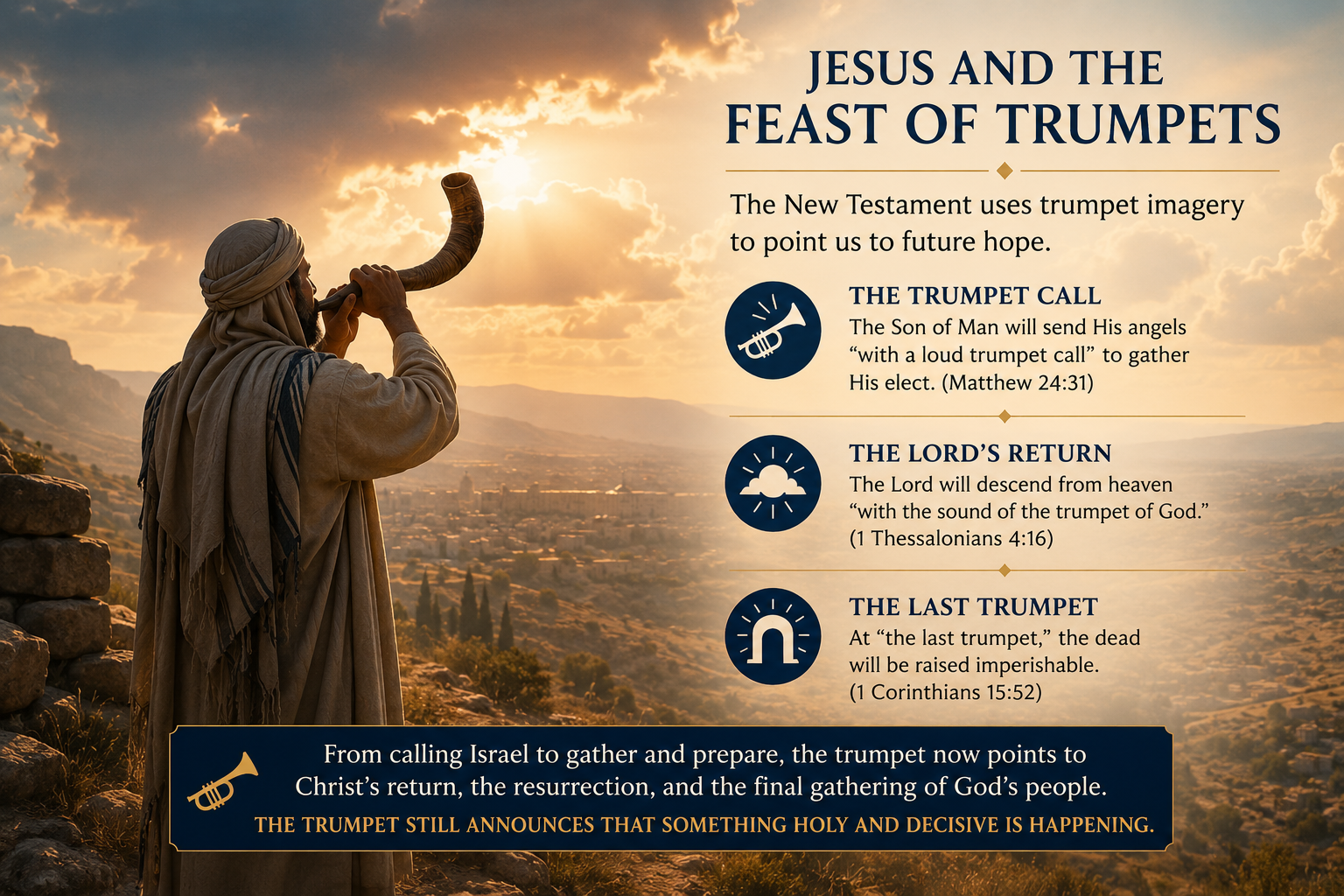
Jesus speaks of the Son of Man sending His angels “with a loud trumpet call” to gather His elect (Matthew 24:31). Paul says the Lord will descend from heaven “with the sound of the trumpet of God” (1 Thessalonians 4:16). He also says that at “the last trumpet,” the dead will be raised imperishable (1 Corinthians 15:52).
These passages do not erase the Old Testament meaning of the Feast of Trumpets. They deepen our understanding of trumpet imagery in God’s redemptive plan.
In the Old Testament, the trumpet called Israel to gather, remember, worship, and prepare. In the New Testament, trumpet language points to the return of Christ, the resurrection of the dead, and the final gathering of God’s people.
The trumpet still announces that something holy and decisive is happening.
What the Feast Points To
The Feast of Trumpets points to wakefulness before God.
It reminds readers that God’s people are not meant to live spiritually dull lives. The sound of the trumpet cuts through distraction. It tells the people to stop, listen, gather, and prepare.
It also points to the seriousness of worship. Israel could not approach the holy days casually. The calendar itself trained them to remember that sin, mercy, judgment, atonement, and joy all belonged in the life of God’s people.
For Christians, the feast helps us understand the Bible’s larger trumpet theme. God calls. God warns. God gathers. God announces. God reigns.
The final trumpet will not be a symbol only. It will announce the reality that Christ is returning, death will be defeated, and God’s people will be gathered to Him.
Why the Feast Still Matters Today
The Feast of Trumpets still matters because it teaches the importance of spiritual attention.
Many people live distracted, hurried, and numb. We move from task to task, headline to headline, crisis to crisis. The Feast of Trumpets reminds us that God has always called His people to wake up.
It also reminds us that worship is not casual. Israel’s holy days formed a rhythm of remembrance. The trumpet blast marked time as sacred and called the people to reorient their lives around God.
Christians are not commanded to observe the Feast of Trumpets under the Mosaic covenant. But we can still learn from its meaning.
We need holy interruptions.
We need reminders that God is near.
We need calls to repentance.
We need to remember that history is moving toward the return of Christ.
The trumpet tells us not to sleep through the things of God.
Why the Feast of Trumpets Still Speaks Today
The Feast of Trumpets was a day of sound, but the sound carried a message.
Wake up.
Gather.
Remember.
Prepare.
For Israel, the trumpet opened the sacred season that led to atonement and rejoicing. It reminded the people that they belonged to the Lord and that His appointed times mattered.
For Christians, the trumpet also turns our eyes forward. One day, the trumpet will sound. Christ will return. The dead will be raised. The scattered people of God will be gathered. The kingdom will be seen in fullness.
Until then, the Feast of Trumpets reminds us to live awake.
God’s people are not called to drift through history. We are called to listen, remember, repent, worship, and wait with hope.
The trumpet still speaks.