

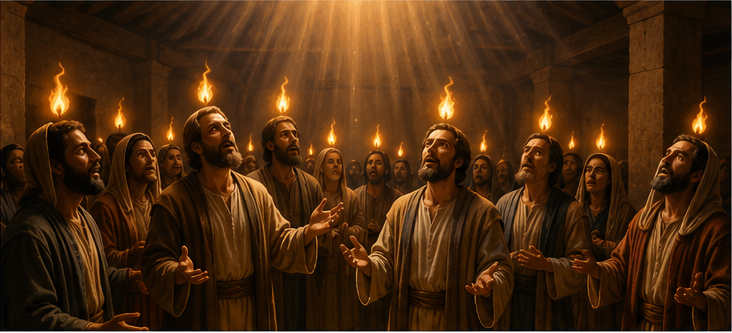
Pentecost did not begin in Acts 2.
Before tongues of fire appeared, before the apostles preached in other languages, before thousands were baptized in Jerusalem, Pentecost already had a long history in the life of Israel.
It began as a harvest feast.
In the Old Testament, Pentecost was known as the Feast of Weeks. Israel counted seven weeks from the offering of Firstfruits, then brought a new grain offering to the Lord. It was a celebration of provision, harvest, gratitude, and covenant life in the land God had given.
But by the time we reach the New Testament, Pentecost becomes something even greater. In Acts 2, God pours out the Holy Spirit on the gathered believers in Jerusalem. The feast that once celebrated harvest becomes the day God begins gathering people into Christ from many nations.
Pentecost shows us that God does not waste His calendar. The rhythms He gave Israel were preparing His people to recognize a deeper fulfillment.
What Was Pentecost in the Old Testament?
The word Pentecost comes from the Greek Pentēkostē, meaning “fiftieth.” In the Hebrew Bible, the feast was called Shavuot, meaning “Weeks,” because Israel counted seven weeks from Firstfruits before bringing the harvest offering to the Lord. This is why Pentecost was originally called the Feast of Weeks. By the time of the New Testament, Greek-speaking Jews commonly knew the feast as Pentecost because it took place on the fiftieth day.
The main Old Testament instructions appear in Leviticus 23:15–21. Israel was to count fifty days from the day after the Sabbath connected with Firstfruits. Then they brought a new grain offering to the Lord.
This feast was also one of Israel’s three major pilgrimage festivals, along with Passover and the Feast of Booths. Jewish men were commanded to appear before the Lord during these appointed times (Deuteronomy 16:16).
Pentecost was not mainly about private devotion. It was public worship. It gathered God’s people to remember that the harvest came from Him.
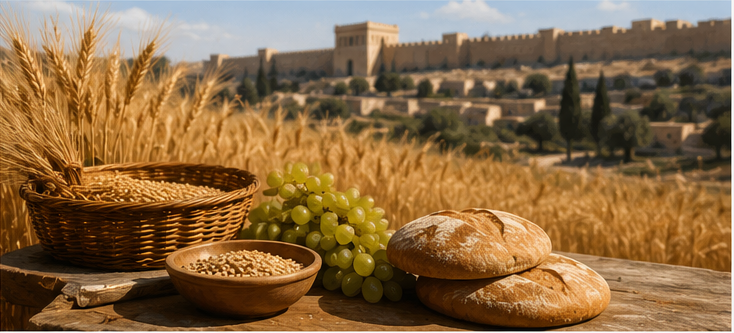
When Was Pentecost Observed?
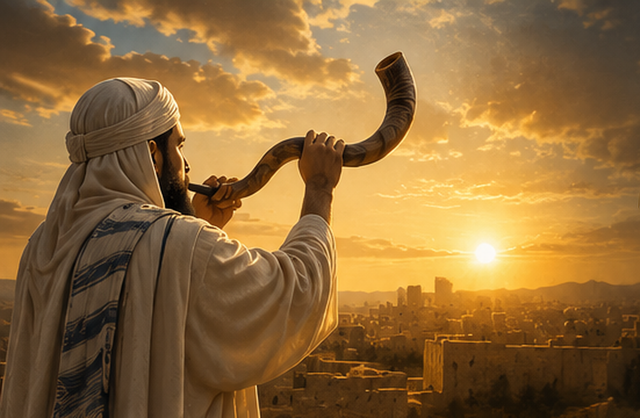
Pentecost was observed fifty days after Firstfruits, during the harvest season.
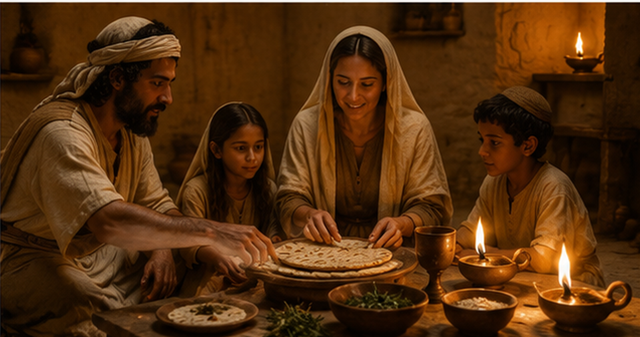
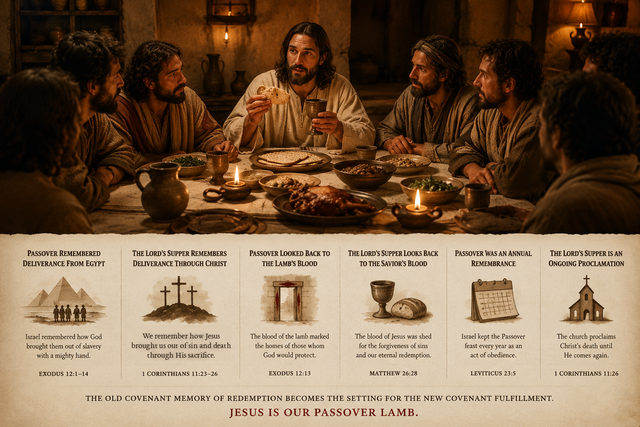
Passover marked deliverance from Egypt.
Unleavened Bread remembered the haste of Israel’s departure.
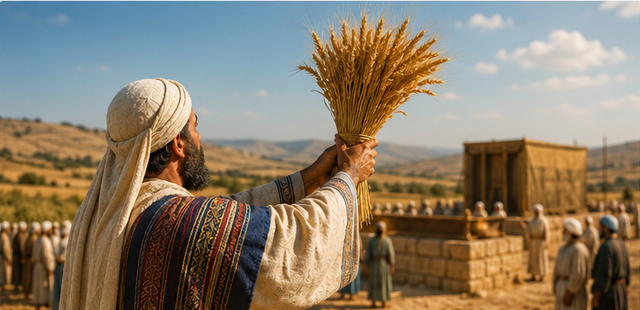
Firstfruits marked the beginning of harvest.
Pentecost celebrated a fuller harvest fifty days later.
This order matters.
The biblical calendar moved from redemption to provision, from rescue to harvest. Israel’s year taught them that the God who delivered them from bondage was also the God who fed them in the land.
Pentecost was a feast of gratitude. The people brought offerings because the harvest was not just the result of hard work. It was the gift of God.
Why Did Israel Observe Pentecost?
Israel observed Pentecost to honor God as the giver of the harvest.
Ancient Israel depended on grain, rain, land, and seasonal provision. A failed harvest could mean hunger. A good harvest meant life, stability, and joy. Pentecost taught Israel not to treat provision as ordinary.
The feast also reminded Israel that the land itself was a gift. They had not rescued themselves from Egypt. They had not created the promised land. They had not made the seed grow by their own power.
Pentecost interrupted pride.
It trained Israel to say, “The harvest belongs to the Lord.” Before the people enjoyed abundance, they worshiped the One who gave it.
What Happened During the Feast?
During the Feast of Weeks, Israel brought offerings to the Lord, including two loaves of bread made from the new grain.
This detail is important. During the Feast of Unleavened Bread, Israel ate bread without leaven. But at Pentecost, Leviticus 23 says the people brought two loaves baked with leaven as firstfruits to the Lord.
The feast was not only about grain. It was about presenting the harvest back to God. Israel acknowledged that the first and best belonged to Him.
The feast also included sacrifices, sacred assembly, and rest from ordinary labor. It was a holy day in Israel’s calendar.
One command in Leviticus 23 stands out. Right after the instructions for Pentecost, God reminds Israel not to harvest the edges of their fields or gather every leftover piece. The gleanings were to be left for the poor and the sojourner.
That means Pentecost connected worship and justice. A true harvest celebration did not forget the vulnerable.
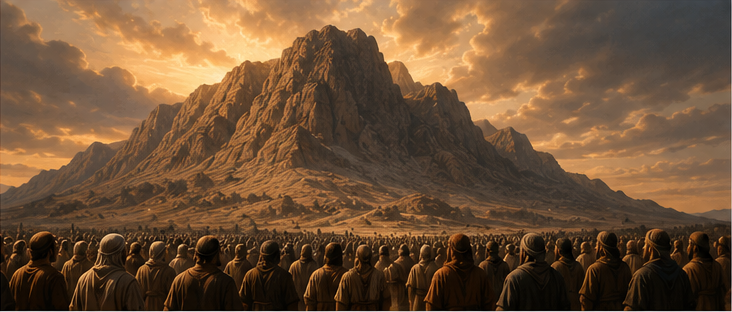
Pentecost and Sinai
The Bible itself presents the Feast of Weeks primarily as a harvest festival. Later Jewish tradition also connected the feast with the giving of the Law at Mount Sinai.
That connection is meaningful.
After God delivered Israel from Egypt, He brought them to Sinai and gave them His covenant instruction. The people who had been slaves were now called to live as God’s holy nation.
Sinai was not just a mountain. It was a covenant moment. God gave His law, formed His people, and taught them how to live before Him.
This gives the Pentecost story a powerful background. In the Old Testament, God formed Israel around His covenant. In Acts 2, God forms the church by pouring out His Spirit.
Sinai gave the law written on tablets of stone. Pentecost in Acts points to God’s promise of the Spirit at work in His people.
Pentecost in Acts 2
Acts 2 opens with the words, “When the day of Pentecost arrived, they were all together in one place.”
That means the Holy Spirit came on an already meaningful day.
Jerusalem was filled with Jews from many nations because Pentecost was a pilgrimage feast. People had come to worship. They were gathered from different regions, speaking different languages, yet united by the feast.
Then the sound came from heaven like a rushing mighty wind. Tongues as of fire rested on the believers. They were filled with the Holy Spirit and began speaking in other tongues as the Spirit enabled them.
The crowd was amazed because each person heard the mighty works of God in his own language.
Pentecost became the reversal of confusion and the beginning of mission. At Babel, human pride led to scattered languages. At Pentecost, God used many languages to proclaim one message: Jesus Christ is Lord.
Why Did the Holy Spirit Come at Pentecost?
The Holy Spirit came at Pentecost because God was fulfilling His promises.
Jesus had told His disciples to wait in Jerusalem until they were clothed with power from on high (Luke 24:49). Before His ascension, He told them they would receive power when the Holy Spirit came upon them, and they would be His witnesses in Jerusalem, Judea, Samaria, and to the end of the earth (Acts 1:8).
Pentecost was the beginning of that witness.
The Holy Spirit came to the disciples to empower proclamation, create a new covenant community, and send the church into the world.
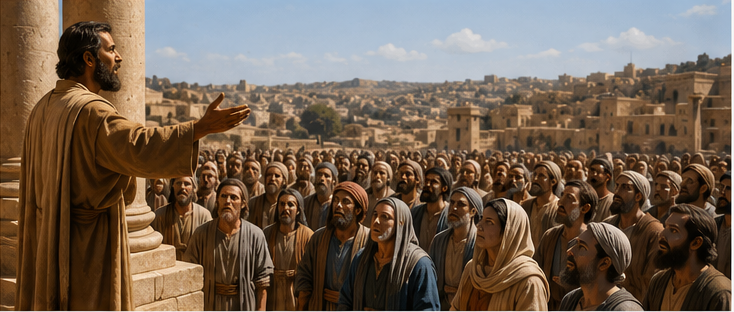
Peter stood and preached that what the crowd saw was connected to the prophet Joel: God would pour out His Spirit on all flesh. Sons and daughters would prophesy. Young and old would receive the work of God’s Spirit.
Then Peter preached Jesus: crucified, risen, exalted, and Lord.
About three thousand people were added that day.
The harvest had begun.
What Pentecost Points To
Pentecost points to God’s mission to gather a people through Jesus Christ.
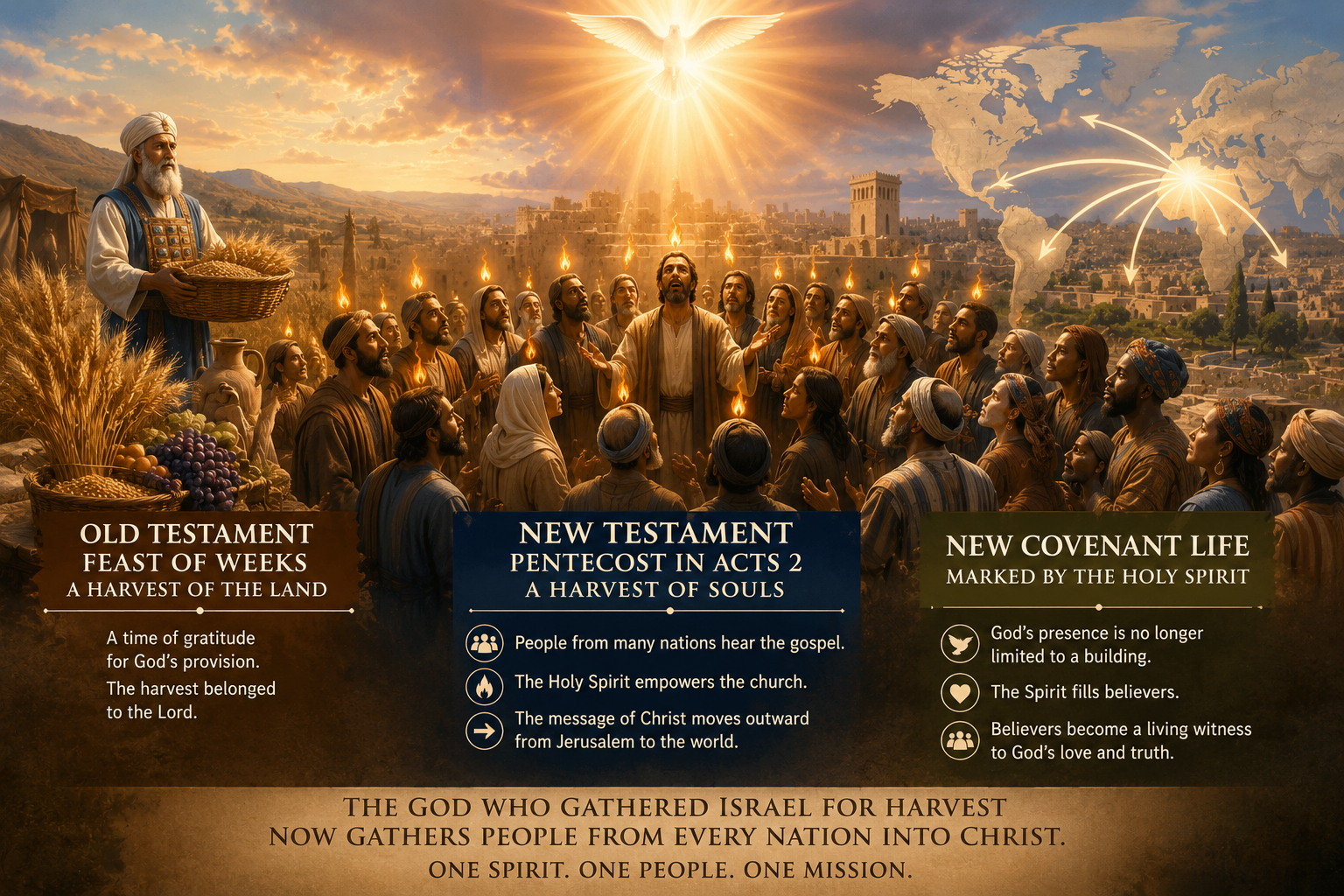
In the Old Testament, Pentecost celebrated the harvest of the land. In the New Testament, Pentecost becomes the beginning of a spiritual harvest. People from many nations hear the gospel. The Spirit empowers the church. The message of Christ begins moving outward from Jerusalem.
Pentecost also points to new covenant life.
God’s people are not merely marked by external identity, land, or temple worship. They are marked by the indwelling Holy Spirit. The presence of God is no longer limited to one sacred building. The Spirit fills believers and forms them into a living witness.
This does not erase Israel’s story. It fulfills the movement of God’s redemptive plan. The God who gathered Israel for harvest now gathers people from every nation into Christ.
Jesus and Pentecost
Pentecost cannot be separated from Jesus.
The Spirit comes because Jesus has died, risen, and ascended. Peter makes this clear in Acts 2. Jesus, exalted at the right hand of God, pours out what the people are seeing and hearing.
That means Pentecost is not only about the Holy Spirit. It is about the risen Christ reigning and sending the Spirit.
The church is born from the finished work of Jesus and the power of the Spirit. The disciples do not create the movement by strategy, charisma, or human effort. They receive power from God.
This matters because Christian mission is impossible without the Holy Spirit. The church may organize, preach, teach, publish, serve, and build, but only the Spirit gives life.
Pentecost reminds us that the church is not powered by personality. It is powered by God.
Why Pentecost Still Matters Today
Pentecost still matters because it explains who the church is and how the church lives.
The church is a Spirit-filled people.
The church is a witnessing people.
The church is a gathered and sent people.
The church is a multiethnic people called to proclaim one Lord.
Pentecost also reminds Christians that the Holy Spirit is not optional. He is not an accessory to Christian life. He is the presence of God given to believers.
Without the Spirit, the church becomes an institution without power, a message without fire, and a mission without life.
But with the Spirit, ordinary people become witnesses. Fearful disciples become bold proclaimers. Divided languages become vessels of gospel proclamation. A small gathering in Jerusalem becomes the beginning of a global church.
Why Pentecost Still Speaks Today
Pentecost began as a feast of harvest. It became the day God poured out His Spirit.
That is not an accident.
God was showing that the resurrection of Jesus would produce a harvest among the nations. The Spirit came not only to comfort believers, but to send them. The church was never meant to sit still with the message of Christ. It was born in power and sent into the world.
From Sinai, we see God forming a covenant people.
From Jerusalem, we see God filling His people with the Spirit.
From Pentecost, we see the harvest beginning.
The same God who gave the feast also fulfilled its meaning.
Pentecost tells us that God gathers, fills, and sends His people. The harvest belongs to Him. The mission belongs to Him. The power comes from Him.