

Prayer
Lord, give us wisdom as we study Your Word. Help us not approach this question with pride, fear, legalism, or rebellion, but with humility and a desire to honor You in our bodies, our motives, and our witness. In Jesus name, Amen.
The question of tattoos is one of those issues that can quickly divide Christians into two strong camps.
Some believers say tattoos are clearly sinful because Leviticus 19:28 says, “You shall not make any cuts on your body for the dead or tattoo yourselves: I am the Lord.” For them, the matter is settled. God said no, so Christians should not do it.
Others say that verse belonged to the Old Testament law given to Israel and does not apply to Christians in the same way today. They point out that the same chapter includes laws about clothing, farming, grooming, and ritual practices that most Christians do not follow literally. For them, tattoos are a matter of personal freedom, conscience, and motive.
So which is it?
The most faithful answer is not as simple as saying, “All tattoos are always sinful,” or “God does not care at all.” Scripture gives us a deeper and wiser way to think. The Bible does not treat the body as meaningless. It also does not command Christians to live under every ceremonial and cultural law given to ancient Israel. The issue requires discernment.
What Leviticus 19:28 Actually Says
The main Bible verse people reference is Leviticus 19:28:
“You shall not make any cuts on your body for the dead or tattoo yourselves: I am the Lord.”
This command was given to Israel as part of a larger call to be holy and distinct from the surrounding nations. In the ancient world, cutting the body, marking the skin, and other physical rituals were often connected to pagan mourning practices, idol worship, magic, or devotion to false gods. God was calling His people away from the customs of nations that did not know Him.
That context is important.
The command was not just about ink under the skin, it was about worship, identity, and separation from pagan religious practices. Israel belonged to the Lord. Their bodies, worship, mourning, and public identity were not to be shaped by surrounding nations.
That principle still matters for Christians today.
God’s people should not imitate practices rooted in idolatry, rebellion, occultism, self-destruction, or false worship. If a tattoo is tied to darkness, demonic imagery, sexual immorality, hatred, violence, vulgarity, pride, or a desire to glorify sin, a Christian should not treat that lightly. The question is not only, “Can I get this?” The better question is, “What does this communicate about who I belong to?”
Are Christians Under the Old Testament Law?
Christians are not saved by keeping the Mosaic law. We are saved by grace through faith in Jesus Christ. The New Testament teaches that Christ fulfilled the law, and believers are no longer under the old covenant in the same way Israel was before Christ.
That does not mean the Old Testament no longer matters. It means we read it through Christ.
Some Old Testament commands were civil laws for Israel as a nation. Some were ceremonial laws connected to worship, cleanliness, sacrifices, and temple life. Others reveal timeless moral truths about God’s holiness, justice, sexuality, worship, and love for neighbor.
Leviticus 19:28 must be read carefully. Christians generally do not apply every command in Leviticus in a direct, literal way. Most Christians do not follow Israel’s dietary restrictions, sacrificial system, or ceremonial purity laws. But we should still ask what the command reveals about God’s heart.
And here the principle is clear: God cares about the body, worship, identity, and holiness.
Your Body Belongs to God
The New Testament gives Christians a powerful truth about the body. Paul writes in
1 Corinthians 6:19–20, “Do you not know that your body is a temple of the Holy Spirit within you, whom you have from God? You are not your own, for you were bought with a price. So glorify God in your body.”
This verse is not specifically about tattoos. It is about sexual immorality and the believer’s body belonging to God. But the principle applies broadly. Christians do not have the right to say, “It is my body, so I can do whatever I want.” Our bodies belong to the Lord.
That does not automatically mean every tattoo is sinful. But it does mean every decision about the body should be surrendered to God.
A Christian should ask:
Does this honor God?
Does this reflect holiness?
Does this come from wisdom or impulse?
Does this glorify Christ or glorify myself?
Will I still feel peace about this years from now?
Could this harm my witness?
Am I doing this from freedom, or from rebellion?
The body is not a canvas for self-worship. But it is also not something Christians should treat with shame. The body is God’s creation, and believers are called to steward it well.
Motive Matters
God looks at the heart. That does not mean outward actions are irrelevant. It means outward choices often reveal inward desires.
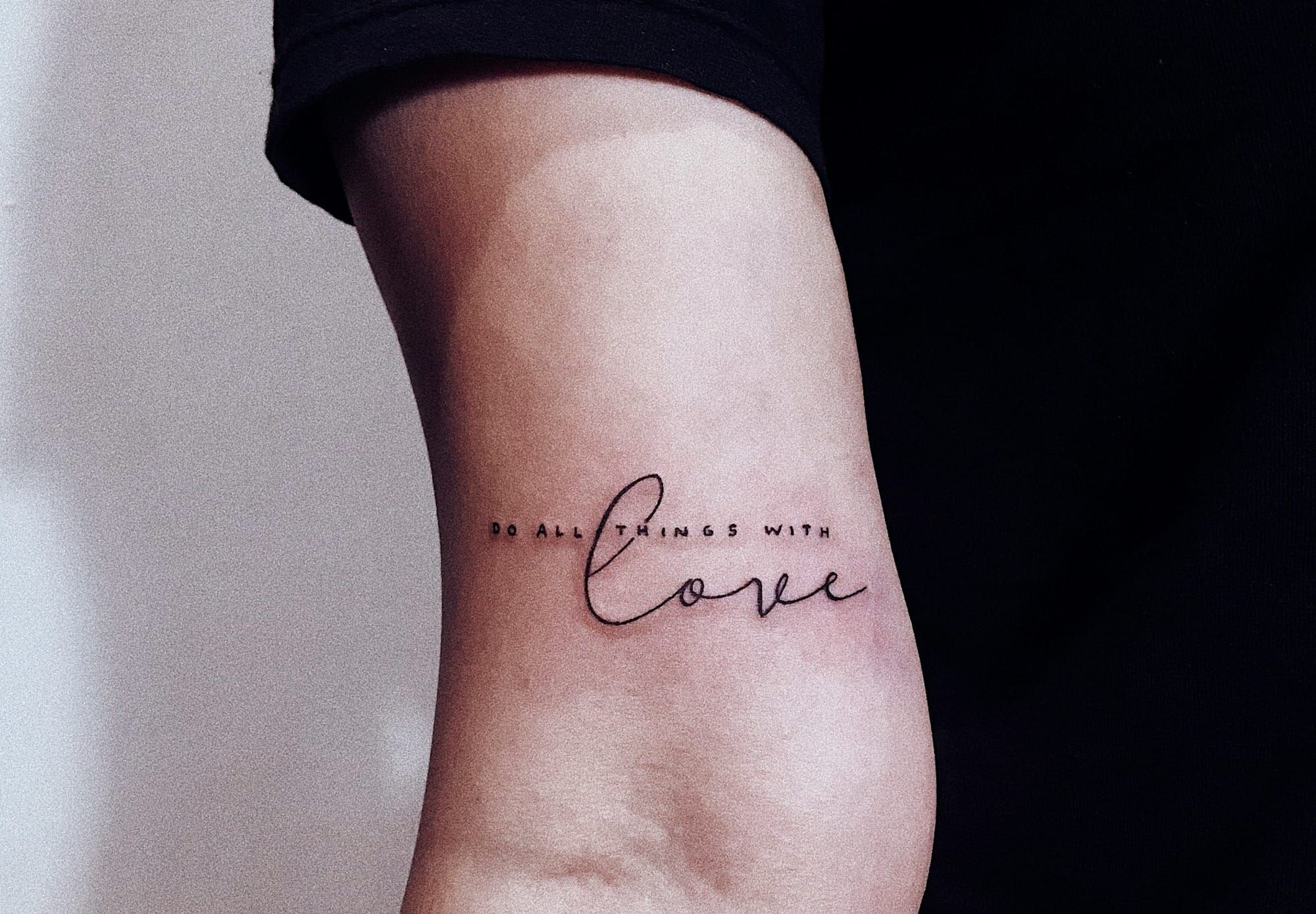
Some people get tattoos to remember God’s faithfulness, mark a testimony, honor a loved one, or carry Scripture or a symbol of faith. Others get tattoos because they want attention, rebellion, sensuality, intimidation, or identification with something sinful.
The motive matters.
A tattoo of a cross does not automatically mean someone is honoring Christ. A Bible verse on the body does not automatically mean the heart is surrendered to God. At the same time, the presence of a tattoo does not automatically mean someone is rebellious or ungodly.
God is not impressed by religious appearance if the heart is far from Him. Jesus confronted religious leaders who looked holy on the outside but were corrupt within. True holiness is not merely external. It begins in the heart and bears fruit in the life.
Still, Christians should not use “God knows my heart” as an excuse to ignore wisdom. If God knows the heart, then we should invite Him to examine our motives honestly.
Content Matters
If a Christian is considering a tattoo, the content matters greatly.
A tattoo that celebrates darkness, lust, violence, profanity, occult imagery, false gods, hatred, or rebellion should not be treated as harmless. Images and words communicate. They can preach something, even silently.
Paul writes in 1 Corinthians 10:31, “So, whether you eat or drink, or whatever you do, do all to the glory of God.”
“Whatever you do” includes what we place on our bodies.
A Christian should not permanently mark the body with something that contradicts the character of Christ. If the image would grieve the Holy Spirit, dishonor God, or communicate allegiance to something sinful, the answer should be no.
Conscience Matters
Romans 14 teaches that Christians must pay attention to conscience in disputable matters. Some believers may feel complete freedom about a tattoo. Others may feel convicted that they should not get one. A person should not violate conscience.
If you cannot get a tattoo in faith, peace, and obedience before God, then you should not get it.
Romans 14:23 says, “For whatever does not proceed from faith is sin.” That principle is important. Even if something is not sinful in itself, it becomes sinful for the person who does it against conscience.
This also means Christians should be careful not to judge one another unfairly. A tattooed believer may love Jesus deeply and walking in sincere obedience. While an untattooed believer may have the appearance of holiness and have no relationship with Jesus. The church should not turn tattoos into a false measure of holiness.
The fruit of the Spirit is not ink or no ink. It is love, joy, peace, patience, kindness, goodness, faithfulness, gentleness, and self-control.
Witness Matters
Even when a Christian has freedom, love asks how that freedom affects others.
Paul teaches in 1 Corinthians 8 and Romans 14 that believers should not use freedom carelessly if it harms a weaker brother or sister. This does not mean Christians must live enslaved to everyone’s opinions. But it does mean we should consider our witness.
For some people, tattoos may create barriers in certain ministry, family, cultural, or professional settings. For others, tattoos may open conversations about testimony, redemption, or faith. Wisdom requires knowing your context.
A missionary in one culture may make a different decision than a believer in another. A pastor may consider different implications than a private citizen. A young person living under their parents’ authority should think differently than an independent adult.
Christian freedom is never selfish. It is governed by love.
What About Tattoos from the Past?
Many people come to Christ already having tattoos. Some carry tattoos from painful seasons, sinful relationships, occult involvement, addiction, gangs, rebellion, or trauma. Others have tattoos they simply regret.
The Gospel speaks good news here.
A tattoo does not make someone beyond redemption. It does not make a person unclean in Christ. It does not disqualify someone from being loved, forgiven, restored, or used by God.
In Christ, your identity is not determined by what is on your skin. It is determined by who has redeemed your soul.
Some believers choose to cover old tattoos with new ones. Some remove them. Some leave them as reminders of what God delivered them from. That is a matter of conscience, wisdom, and sometimes healing. But no Christian should shame someone for marks they carried before they understood who they were in Christ.
Jesus saves the whole person.
So, Does God Approve of Tattoos?
Maybe the question we should be asking is: Does this tattoo honor God?
The Bible does not give Christians a simple New Testament command that says, “You may never get a tattoo.” But Scripture also does not give us permission to treat our bodies as meaningless. God cares about our bodies, motives, identity, worship, witness, and holiness.
So, does God approve of tattoos?
God does not approve of tattoos rooted in rebellion, idolatry, occultism, lust, pride, vulgarity, hatred, violence, or self-glorification.
God does not approve of any choice made without wisdom, prayer, humility, or regard for conscience.
But Scripture does not clearly teach that every tattoo in every circumstance is automatically sinful for every Christian.
A believer considering a tattoo should slow down, pray, search Scripture, examine motives, seek wise counsel, and ask whether the decision can honestly be made for the glory of God.
If there is doubt, wait.
If there is conviction, obey.
If there is freedom, walk humbly.
And if there is regret, remember that Christ is greater than every mark on the body.
The Christian life is not about proving holiness by appearance. It is about belonging fully to Jesus—heart, soul, mind, and body.
Closing Prayer
Lord, teach us to honor You with our bodies and our choices. Give us wisdom where Scripture requires discernment, humility where we are tempted to judge, and obedience where Your Spirit brings conviction. Help us remember that we belong to You, and let everything we do reflect Your holiness, love, and truth. In Jesus name, Amen.